Introduction: Two Titans of the Compact SUV World
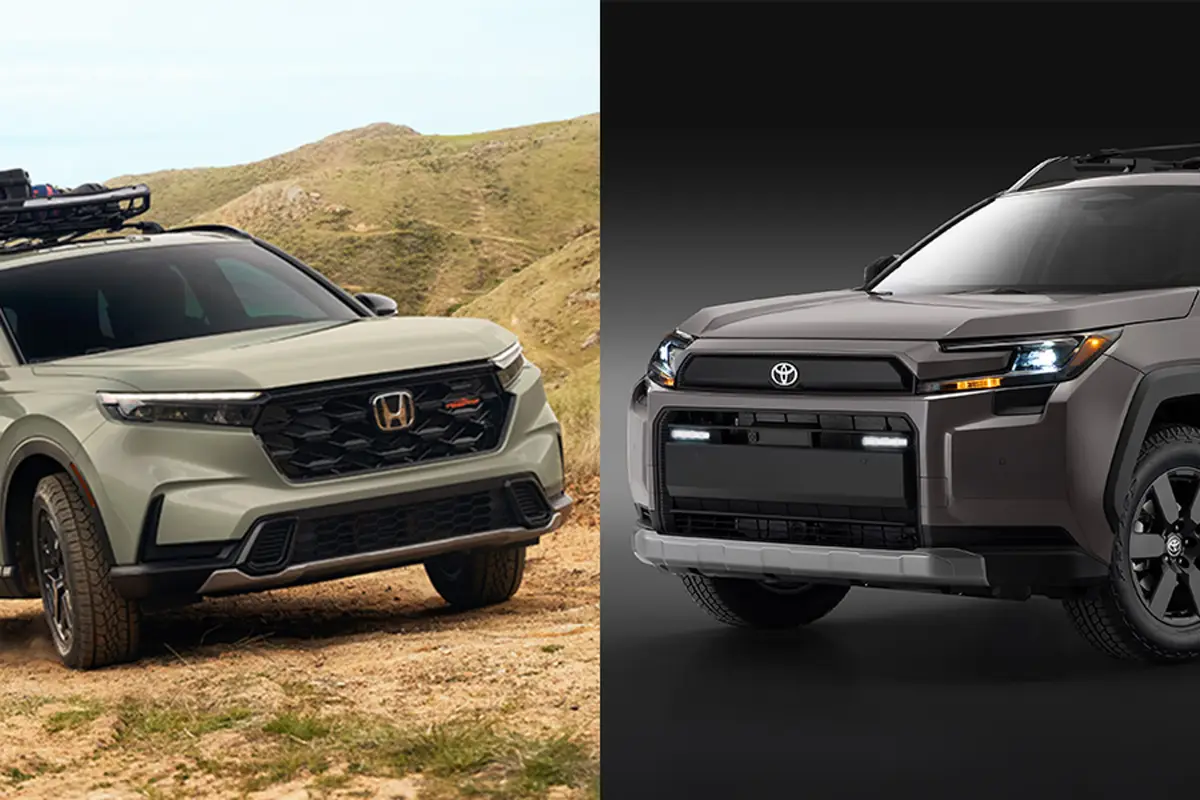
When it comes to compact SUVs, few rivalries are as fiercely contested or as closely watched as the battle between the Toyota RAV4 and the Honda CR-V. For decades, these two vehicles have traded blows at the top of the sales charts, and the 2026 model year is no exception. Both have received meaningful updates, and as an automotive expert, I've dug deep into the specs, driving dynamics, and real-world practicality of each to bring you the most comprehensive comparison available.
Whether you're a daily commuter, a growing family, or an adventure seeker, one of these SUVs likely fits your lifestyle — but which one? Let's find out.
Design & Exterior: Bold Meets Refined
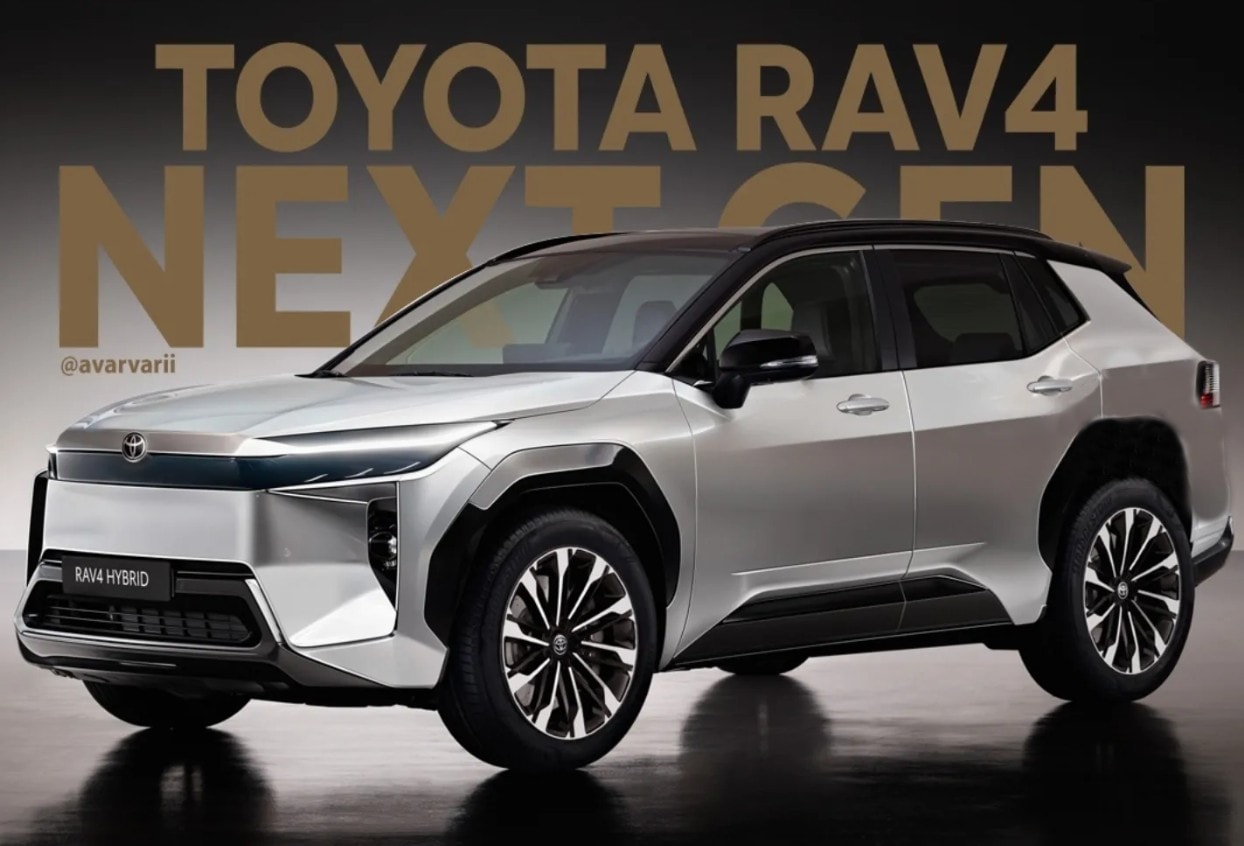
Toyota RAV4 2026
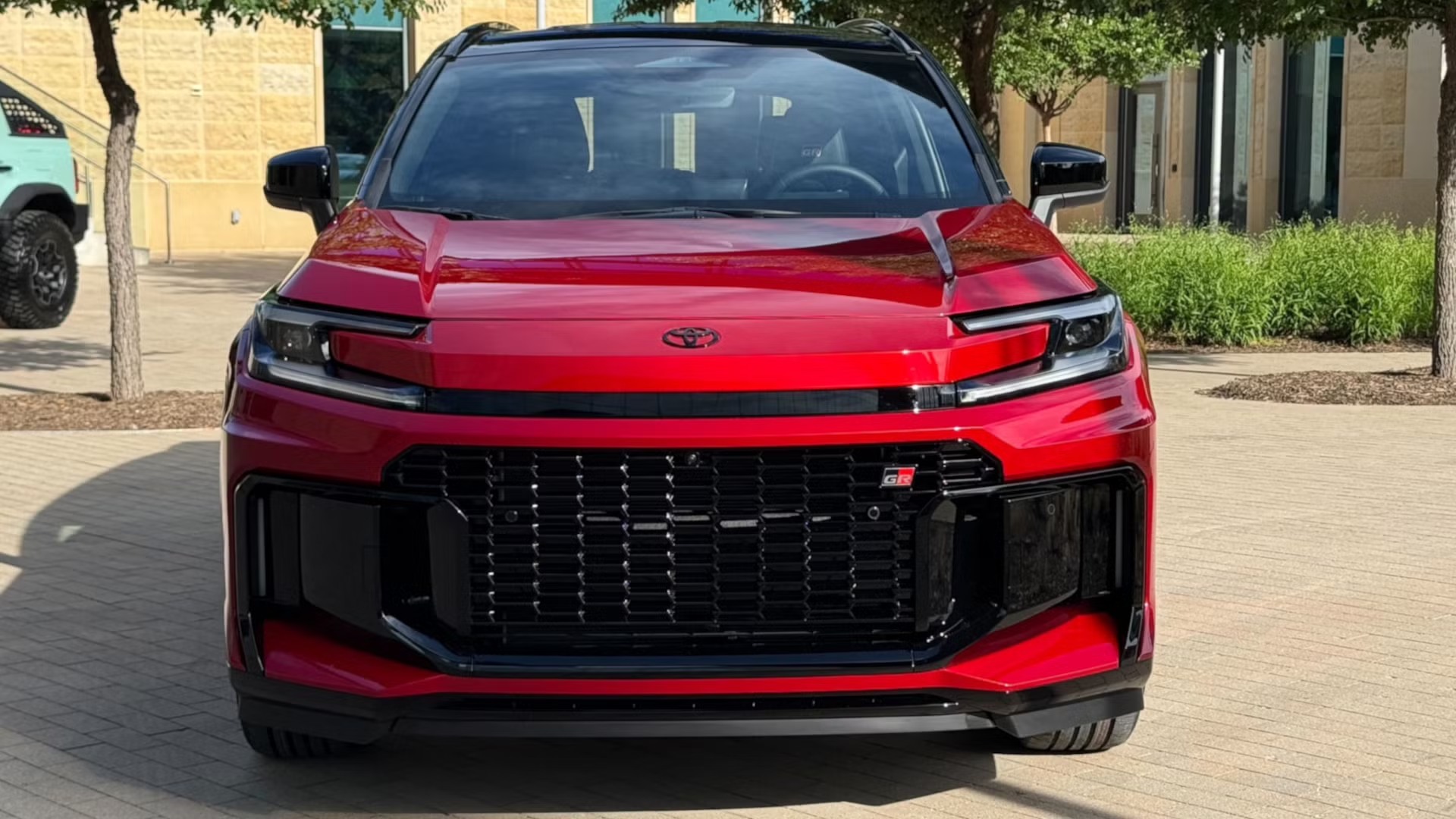
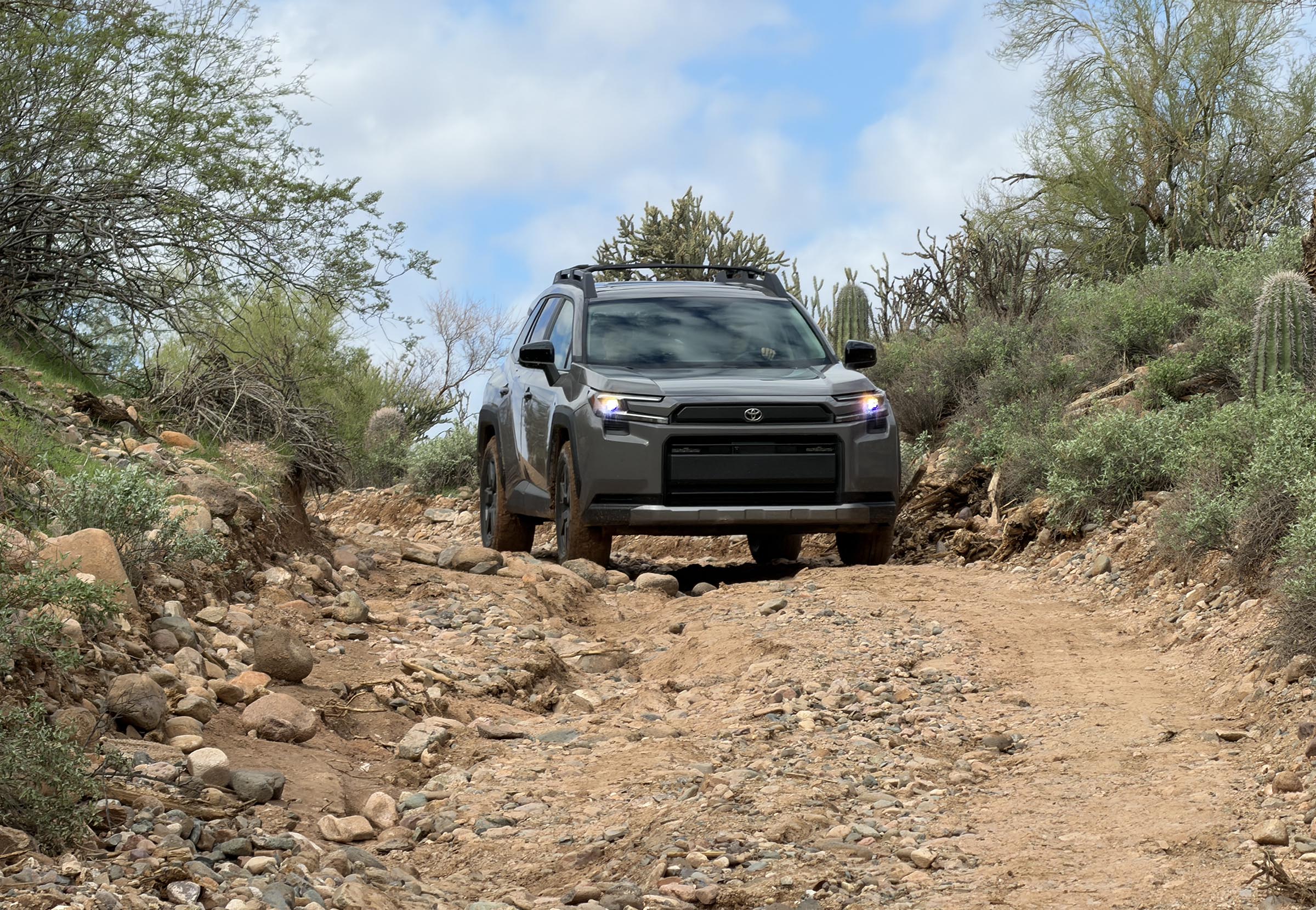
The 2026 Toyota RAV4 retains its rugged, adventure-ready stance with sharper body cladding, a bold front fascia, and squared-off wheel arches that communicate off-road readiness. Toyota has made subtle but meaningful updates to the front grille and LED headlight signatures. Available in both standard and hybrid variants, the RAV4 leans into a more muscular and utilitarian aesthetic that appeals to buyers who want their SUV to look like it can handle more than just school runs.
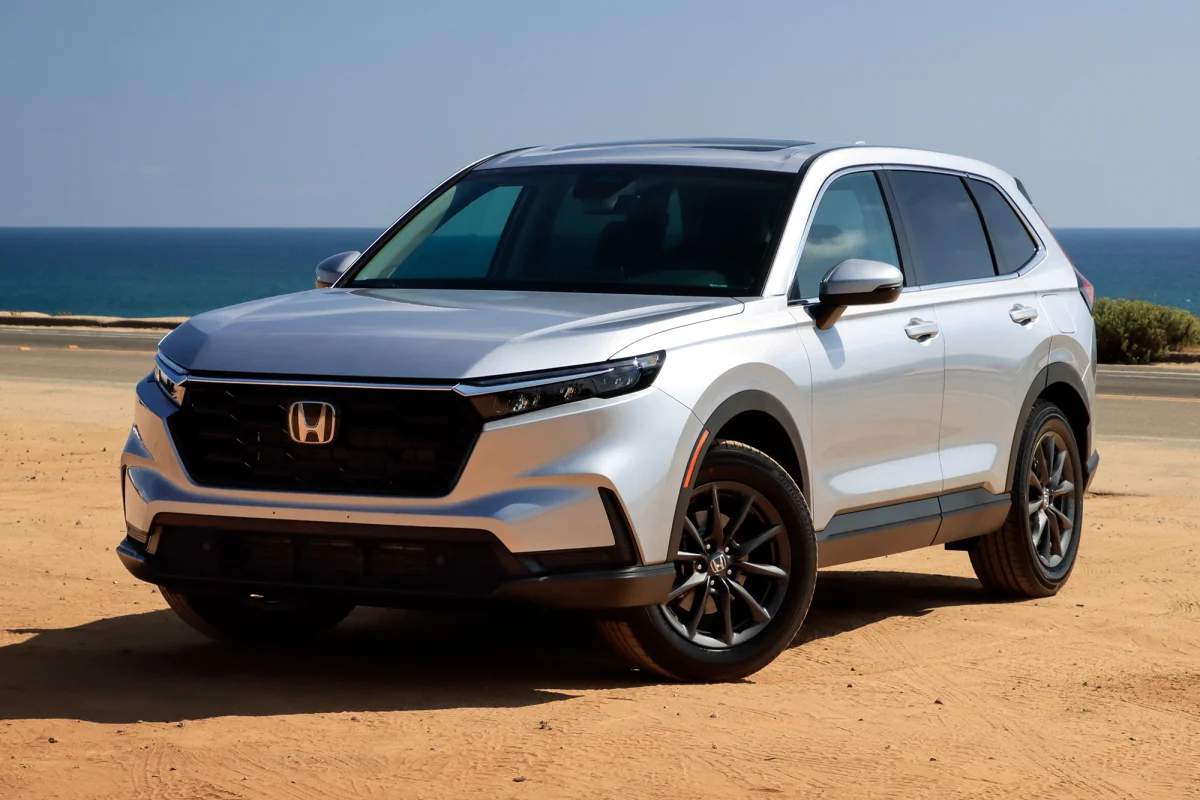
Honda CR-V 2026
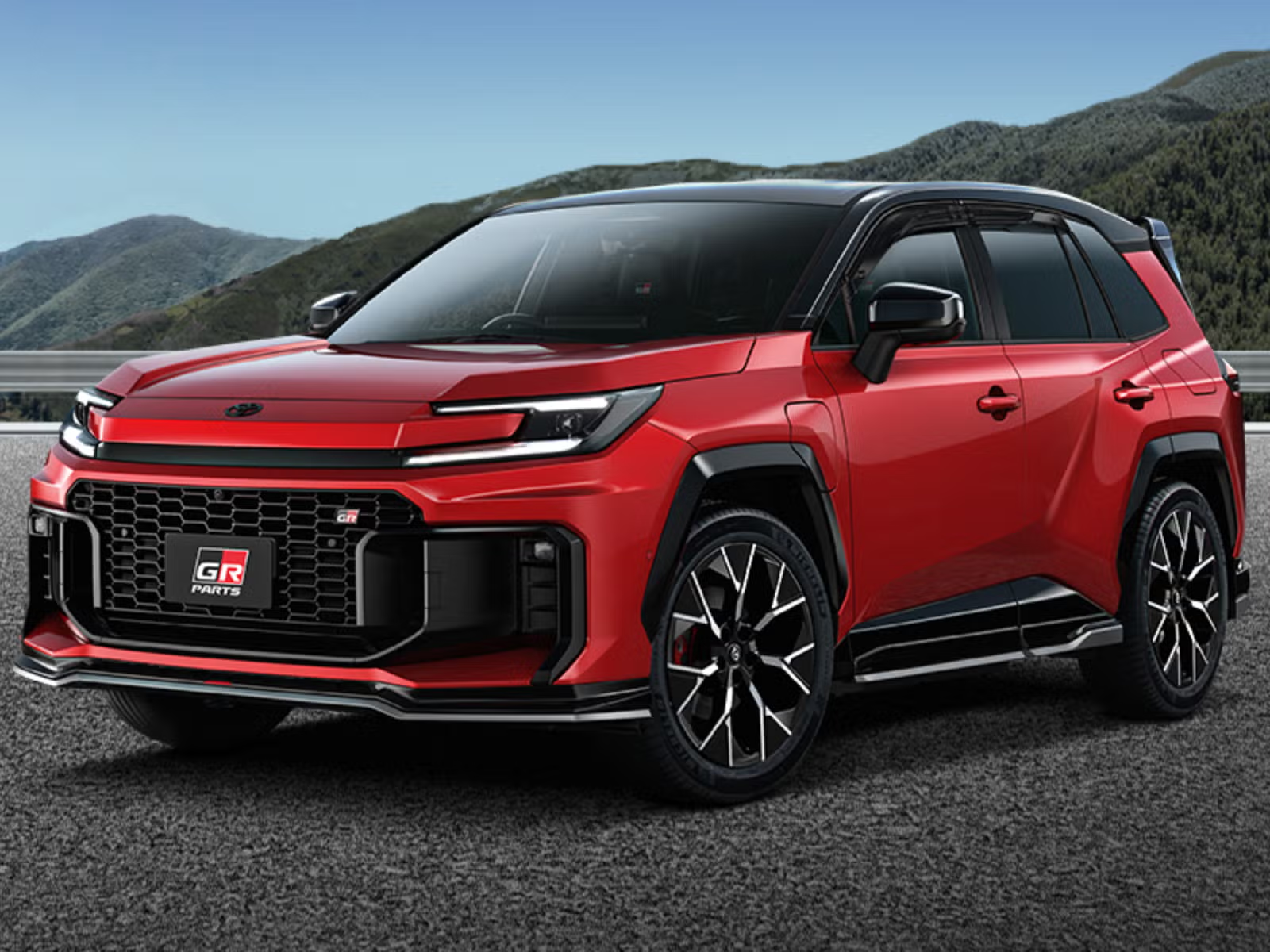
The 2026 Honda CR-V, on the other hand, takes a more contemporary and upscale approach. Its smooth, flowing lines and sleeker profile give it a crossover-SUV feel that leans toward premium territory. Honda has refreshed the CR-V's front end with a revised grille and sharper LED daytime running lights, giving it a more sophisticated appearance. The roofline is more steeply raked than the RAV4's, contributing to a sportier silhouette.
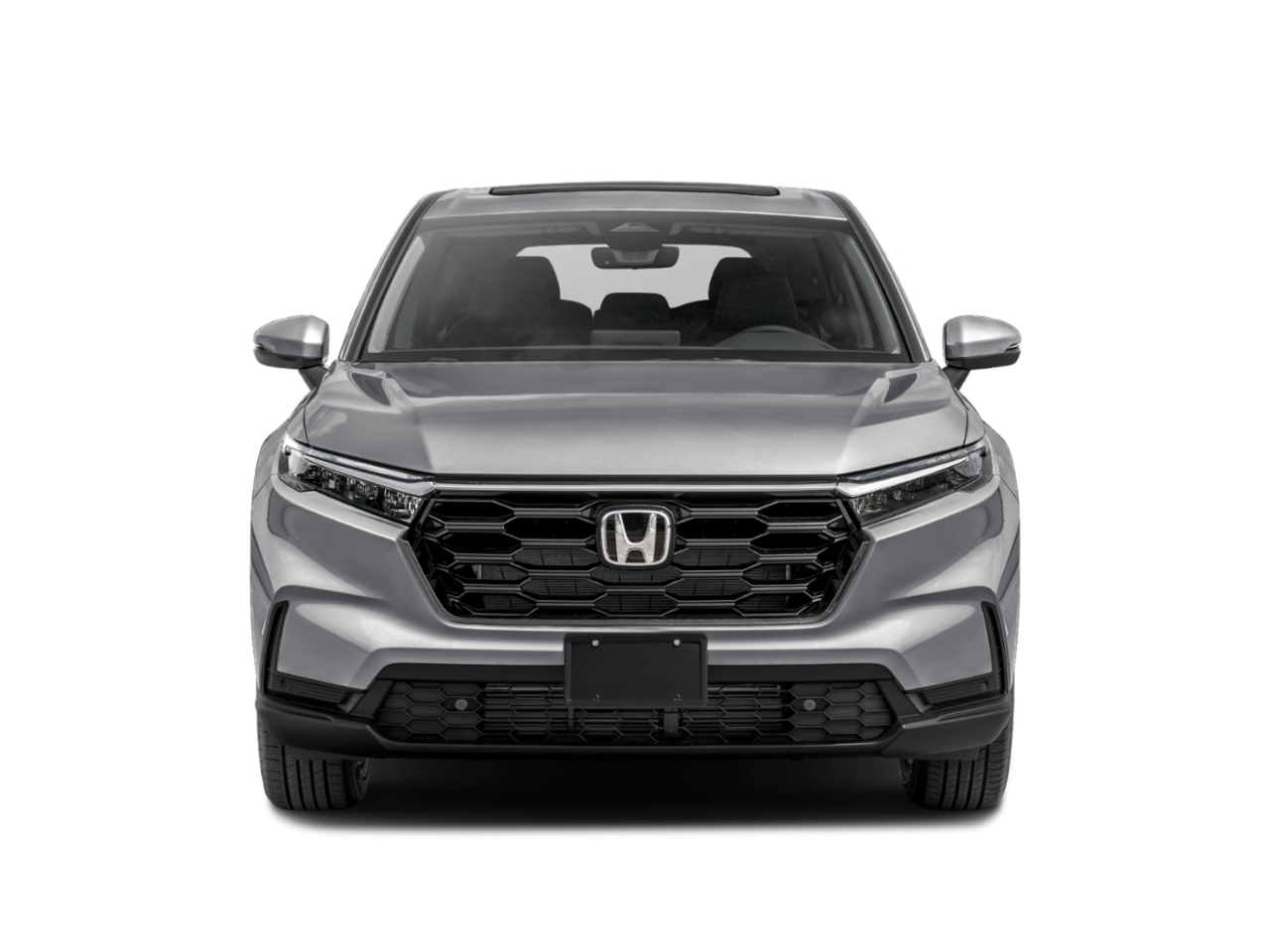
Design Verdict: If you prefer rugged and bold, the RAV4 wins. If you want sleek and modern, the CR-V is the better choice. Both are attractive in their own right — it truly comes down to personal taste.
Interior & Comfort: Where Daily Life Happens
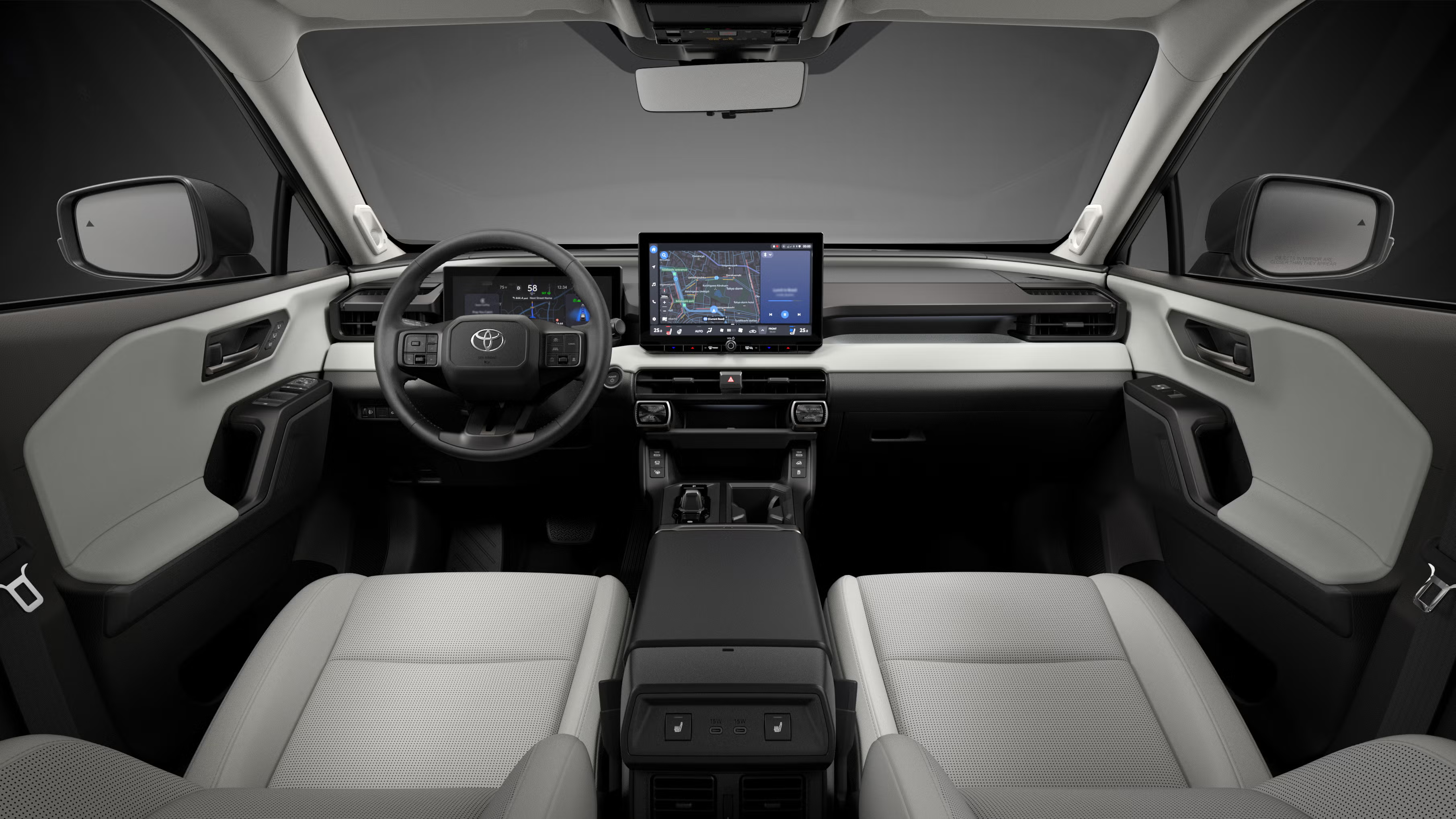
Toyota RAV4 2026 Interior
Step inside the 2026 RAV4 and you're greeted with a driver-focused cockpit that has been significantly upgraded. Toyota has introduced a larger 10.5-inch touchscreen infotainment system with updated Toyota Connected Services, wireless Apple CarPlay, and Android Auto. The materials quality has improved, with soft-touch surfaces on the dashboard and door panels in higher trims. Rear passenger space is generous, and the cargo area delivers 37.6 cubic feet behind the rear seats, expanding to 69.8 cubic feet with seats folded.
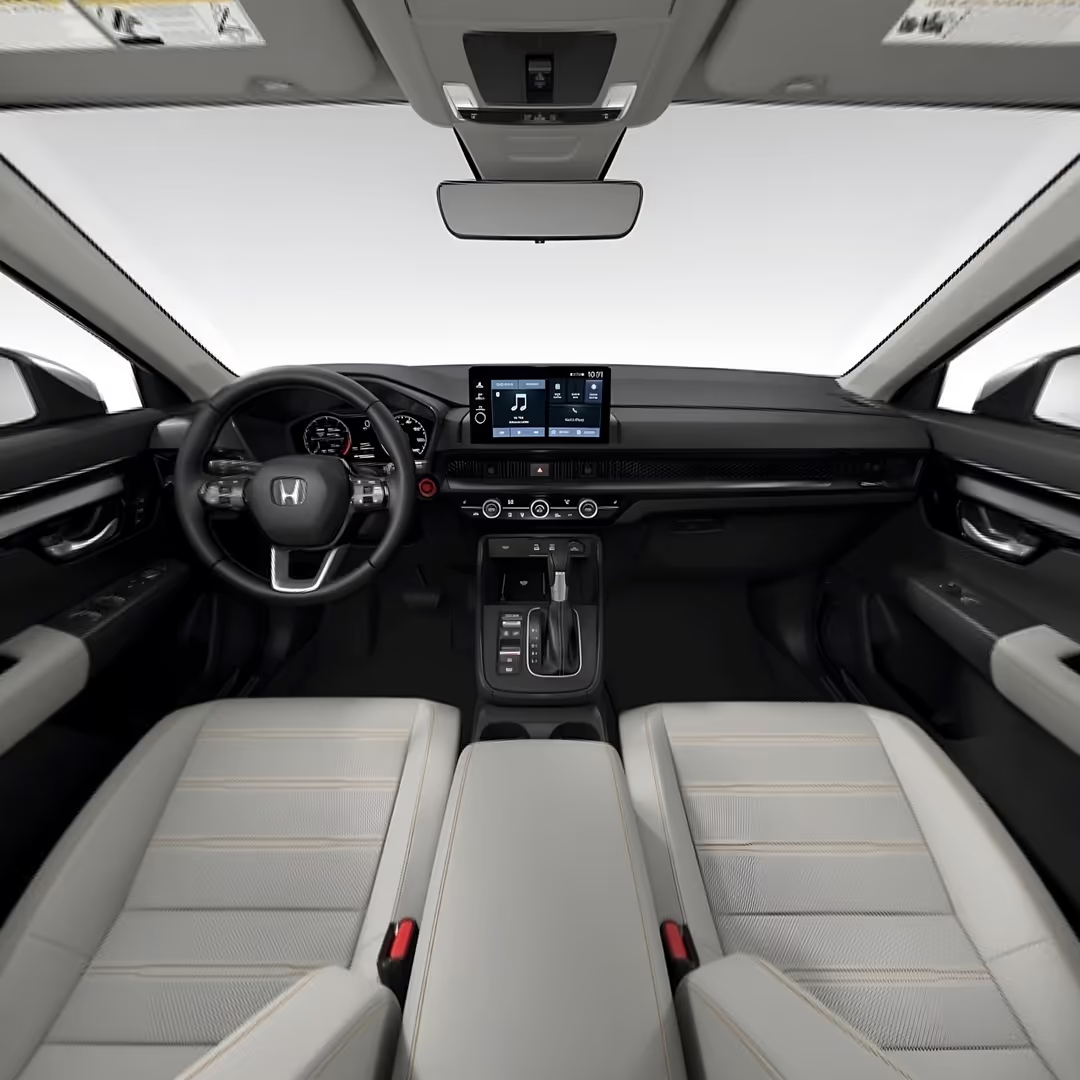
Honda CR-V 2026 Interior
Honda's CR-V has long been a benchmark for interior space in its class, and the 2026 model continues that tradition. The cabin is exceptionally well-laid-out, featuring a 9-inch HD touchscreen with Google built-in on higher trims, wireless charging, and Honda's intuitive infotainment interface. What truly sets the CR-V apart is its rear passenger legroom — among the best in the segment — and its cargo volume of 39.3 cubic feet behind the rear seats, expanding to 76.5 cubic feet with seats folded, which outclasses the RAV4 by a meaningful margin.
Interior Verdict: The CR-V wins on space and cargo versatility, while the RAV4 impresses with improved material quality and a more driver-oriented layout. Families who need maximum room will favor the CR-V.
Performance & Powertrain: Muscle vs. Efficiency
Toyota RAV4 2026 — Powertrain Options
The 2026 Toyota RAV4 is offered with three powertrain configurations:
- 2.5L 4-Cylinder Naturally Aspirated (203 hp) — Paired with an 8-speed automatic transmission and available in FWD or AWD.
- RAV4 Hybrid: 2.5L 4-Cylinder + Electric Motor (219 combined hp) — Standard AWD, with Toyota's proven hybrid system delivering superior fuel economy and smooth power delivery.
- RAV4 Prime (PHEV): 302 combined hp — With an all-electric range of approximately 42 miles, this variant is the performance flagship of the RAV4 lineup.
Honda CR-V 2026 — Powertrain Options
The 2026 Honda CR-V also comes with multiple powertrain choices:
- 1.5L Turbocharged 4-Cylinder (190 hp) — Paired with a CVT and available in FWD or AWD. The turbocharged engine delivers punchy low-end torque and a more spirited driving feel than the RAV4's naturally aspirated option.
- CR-V Hybrid: 2.0L 4-Cylinder + Two Electric Motors (204 combined hp) — Standard AWD, Honda's two-motor hybrid system is remarkably refined and prioritizes efficiency and smoothness.
- CR-V PHEV (e:PHEV): 204 combined hp — Offers approximately 40 miles of EV-only range, competing directly with the RAV4 Prime.
Performance Verdict: If you want maximum power, the RAV4 Prime leads with 302 hp. For everyday driving feel, the CR-V's turbocharged engine offers a more engaging experience. Both hybrids are excellent, but the RAV4 Hybrid's AWD standard setup gives it a slight edge for all-weather confidence.
Fuel Economy: The Green Battle
| Variant | Toyota RAV4 | Honda CR-V |
|---|---|---|
| Standard (FWD) | ~28 mpg combined | ~30 mpg combined |
| Standard (AWD) | ~27 mpg combined | ~29 mpg combined |
| Hybrid (AWD) | ~38 mpg combined | ~37 mpg combined |
| PHEV / Prime | ~38 mpg + 42 mi EV | ~37 mpg + 40 mi EV |
The fuel economy numbers are remarkably close across the board. The standard CR-V edges out the RAV4 slightly on the city/highway cycle, while the RAV4 Hybrid holds a marginal lead in hybrid form. For most real-world buyers, the difference is negligible.
Technology & Safety: The Connected SUV Era
Toyota RAV4 2026 — Tech Features
Toyota's Toyota Safety Sense 3.0 (TSS 3.0) comes standard across all RAV4 trims and includes:
- Pre-Collision System with Pedestrian Detection
- Lane Departure Alert with Steering Assist
- Radar Cruise Control with Lane Centering
- Automatic High Beam
- Emergency Steering Assist
The 10.5-inch multimedia display supports wireless CarPlay, Android Auto, and over-the-air updates. Higher trims receive a 360-degree panoramic camera, a heads-up display, and a premium JBL audio system.
Honda CR-V 2026 — Tech Features
Honda's Honda Sensing Suite is also standard across all CR-V trims and offers:
- Collision Mitigation Braking System
- Road Departure Mitigation
- Adaptive Cruise Control with Low-Speed Follow
- Lane Keeping Assist System
- Traffic Sign Recognition
The 9-inch Google-built-in display (on higher trims) integrates Google Maps, Google Assistant, and the Google Play Store natively. This gives the CR-V a genuine advantage in the infotainment space for tech-savvy buyers.
Tech Verdict: Both are class-leading in safety technology. The CR-V's Google integration gives it a futuristic infotainment edge, while Toyota's TSS 3.0 remains one of the most comprehensive active safety packages in the segment.
Off-Road & All-Weather Capability
The Toyota RAV4 Trail and RAV4 Adventure trims come with a more sophisticated multi-terrain AWD system with selectable drive modes (Mud, Sand, Rock, Snow, Normal). Ground clearance on the RAV4 reaches up to 8.6 inches, and it is genuinely more capable off the beaten path than the CR-V.
The Honda CR-V AWD system uses an intelligent Real-Time AWD setup that is optimized for on-road traction and light off-road use. It lacks dedicated off-road terrain modes, and with a ground clearance of 7.8 inches, it's better suited for snowy roads and muddy car parks than true trails.
Off-Road Verdict: The RAV4 is the clear winner here. If you venture beyond paved roads regularly, it's the more capable and confidence-inspiring choice.
Pricing & Value: What Does Your Money Buy?
| Trim Level | Toyota RAV4 (Starting MSRP) | Honda CR-V (Starting MSRP) |
|---|---|---|
| Base | ~$30,500 | ~$31,200 |
| Mid | ~$34,000 | ~$34,500 |
| Hybrid Base | ~$34,800 | ~$34,350 |
| PHEV / Prime | ~$43,500 | ~$41,000 |
| Top Trim | ~$42,000 | ~$41,500 |
Pricing is very competitive between the two. The RAV4 is slightly more affordable at the base level, while the CR-V PHEV undercuts the RAV4 Prime by a notable margin. Both offer strong long-term value and strong resale values, with Toyota historically holding a slight edge in depreciation resistance.
Reliability & Ownership Costs
Toyota has long been synonymous with reliability. The RAV4 consistently scores at the top of reliability surveys from organizations like J.D. Power and Consumer Reports. Its hybrid powertrain, in particular, has an outstanding track record spanning over two decades.
Honda's CR-V also enjoys a strong reliability reputation, though it has had some turbocharged engine oil dilution concerns in earlier generations that Honda has since addressed. The 2026 model is expected to continue the CR-V's improved reliability trajectory. Both vehicles carry competitive warranty packages: 3-year/36,000-mile basic and 5-year/60,000-mile powertrain warranties.
Reliability Verdict: Toyota edges out Honda slightly in long-term reliability metrics, particularly for the hybrid variants. However, both are well above the industry average.
Final Verdict: Which One Should You Buy?
After a thorough analysis of every dimension that matters to a real-world buyer, here is my expert verdict as an automotive journalist at AutoTickers:
- Choose the 2026 Toyota RAV4 if: You want proven reliability, genuine off-road capability, or are interested in the powerful RAV4 Prime PHEV. The hybrid's fuel economy and standard AWD also make it ideal for buyers in varied climates.
- Choose the 2026 Honda CR-V if: You prioritize interior space, a more premium cabin feel, a more engaging turbocharged driving experience, or want Google-native infotainment. The CR-V PHEV also offers better value at a lower price point than the RAV4 Prime.
At the end of the day, both the 2026 Toyota RAV4 and Honda CR-V are exceptional vehicles that sit at the absolute pinnacle of the compact SUV segment. You genuinely cannot make a wrong choice between the two — but understanding your specific priorities will make the decision an easy one.
— AutoTickers Automotive Expert Team