Introduction: The Battle of Platform Siblings
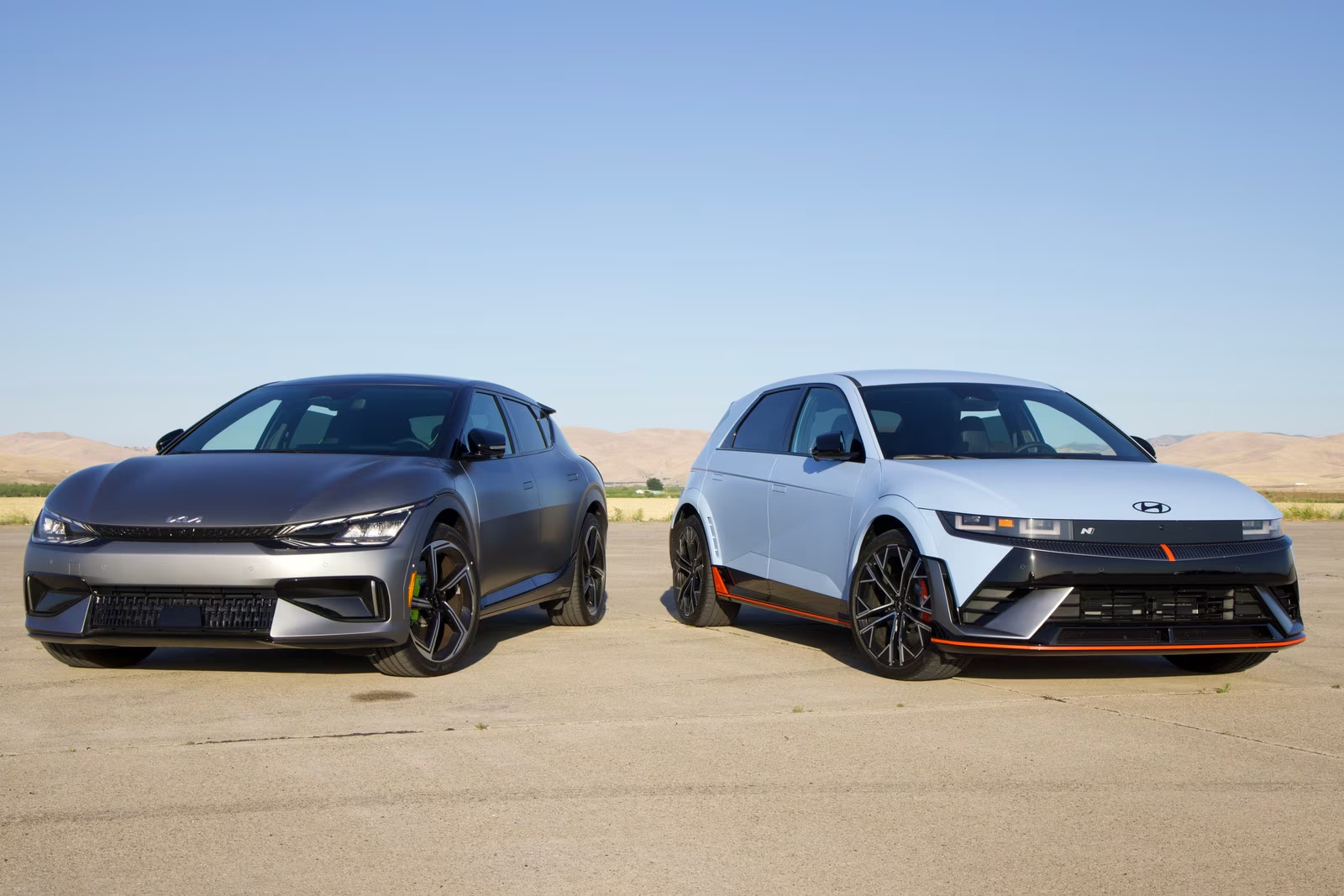
When Hyundai Motor Group engineered its dedicated Electric Global Modular Platform (E-GMP), it birthed two of the most compelling electric vehicles available today — the 2026 Hyundai Ioniq 5 and the 2026 Kia EV6. Both cars share the same bones: the same architecture, the same 800V ultra-fast charging capability, and even powertrains sourced from the same family. Yet, they are remarkably different cars in terms of personality, design philosophy, and intended audience.
As your trusted automotive experts at AutoTickers, we have conducted a thorough, side-by-side breakdown of these two EV giants to help you make the most informed decision possible. Let's dive deep.
Design & Exterior: Retro Futurism vs. Sleek Sportiness
Hyundai Ioniq 5 2026
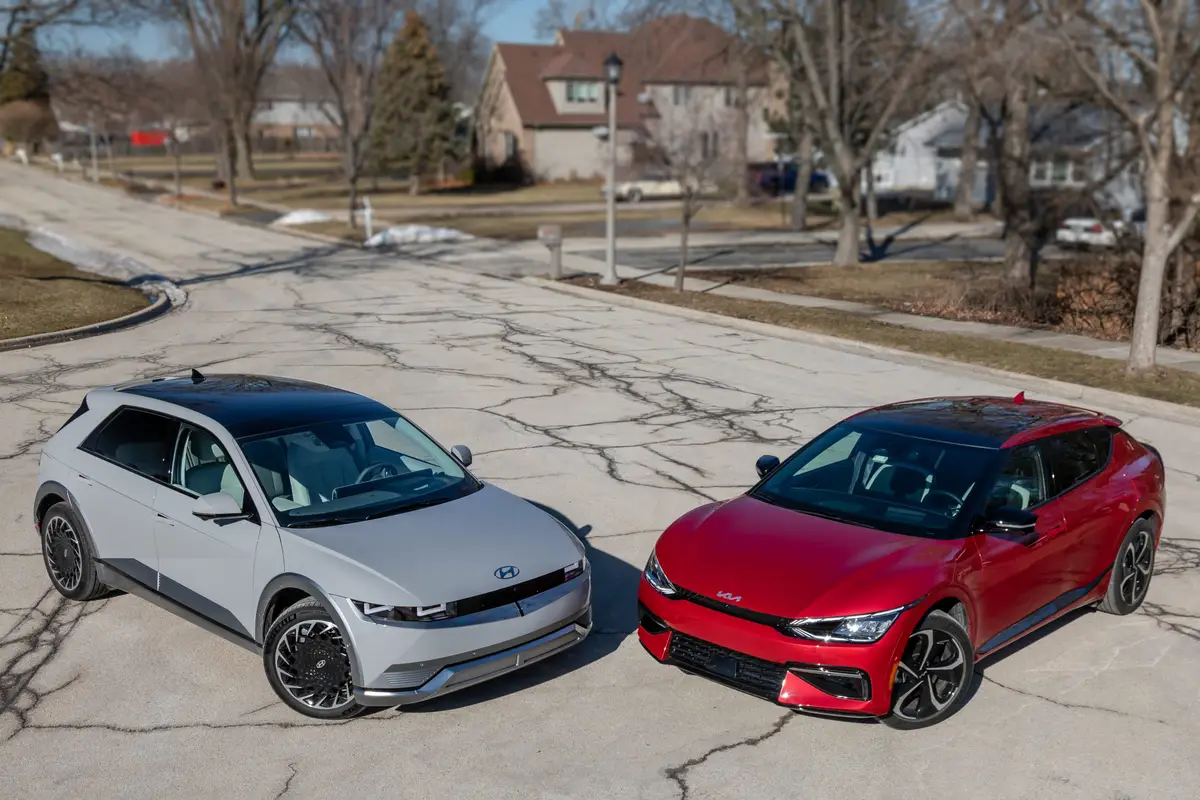
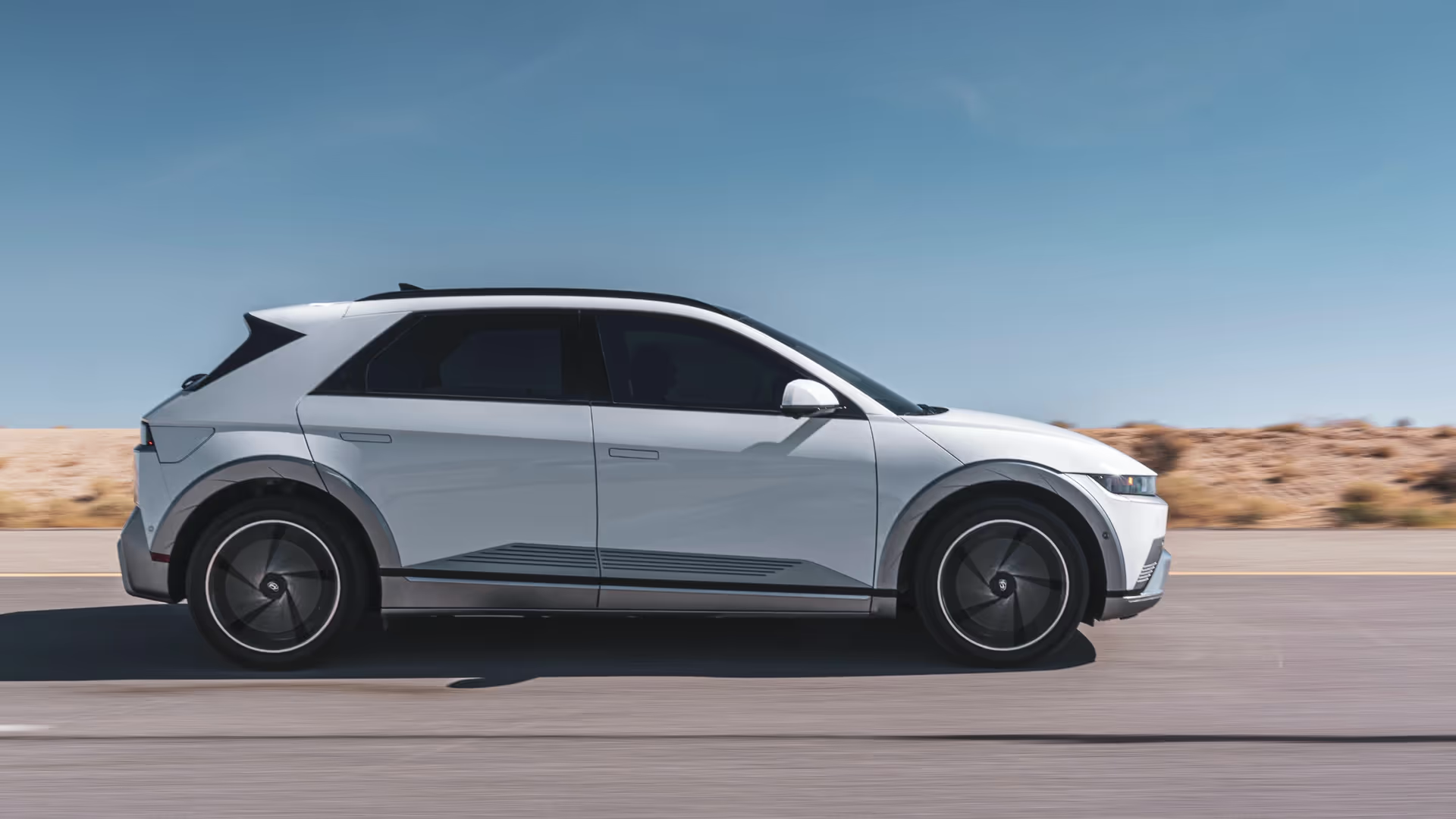
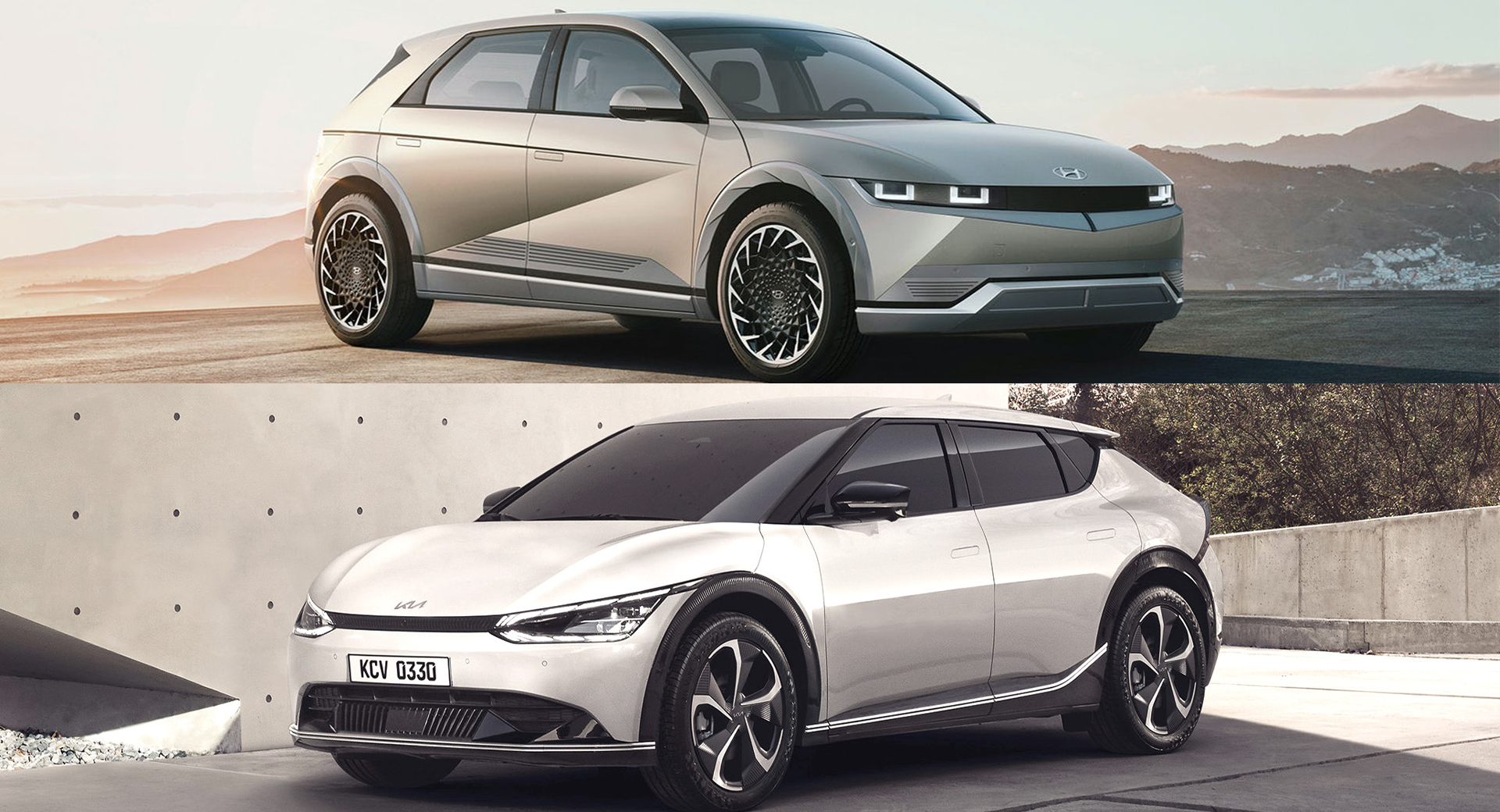
The Ioniq 5 is one of the boldest designs in the automotive world. Drawing inspiration from Hyundai's 1974 Pony concept, it features a boxy, pixelated aesthetic with sharp geometric lines, parametric pixel LED lighting, and flush door handles. The 2026 facelift brings a revised front fascia with a wider, more assertive grille area, updated LED daytime running lights, and refreshed rear light signatures. The silhouette remains distinctly upright and commanding — it's a car that makes a statement before you even open the door.
Kia EV6 2026
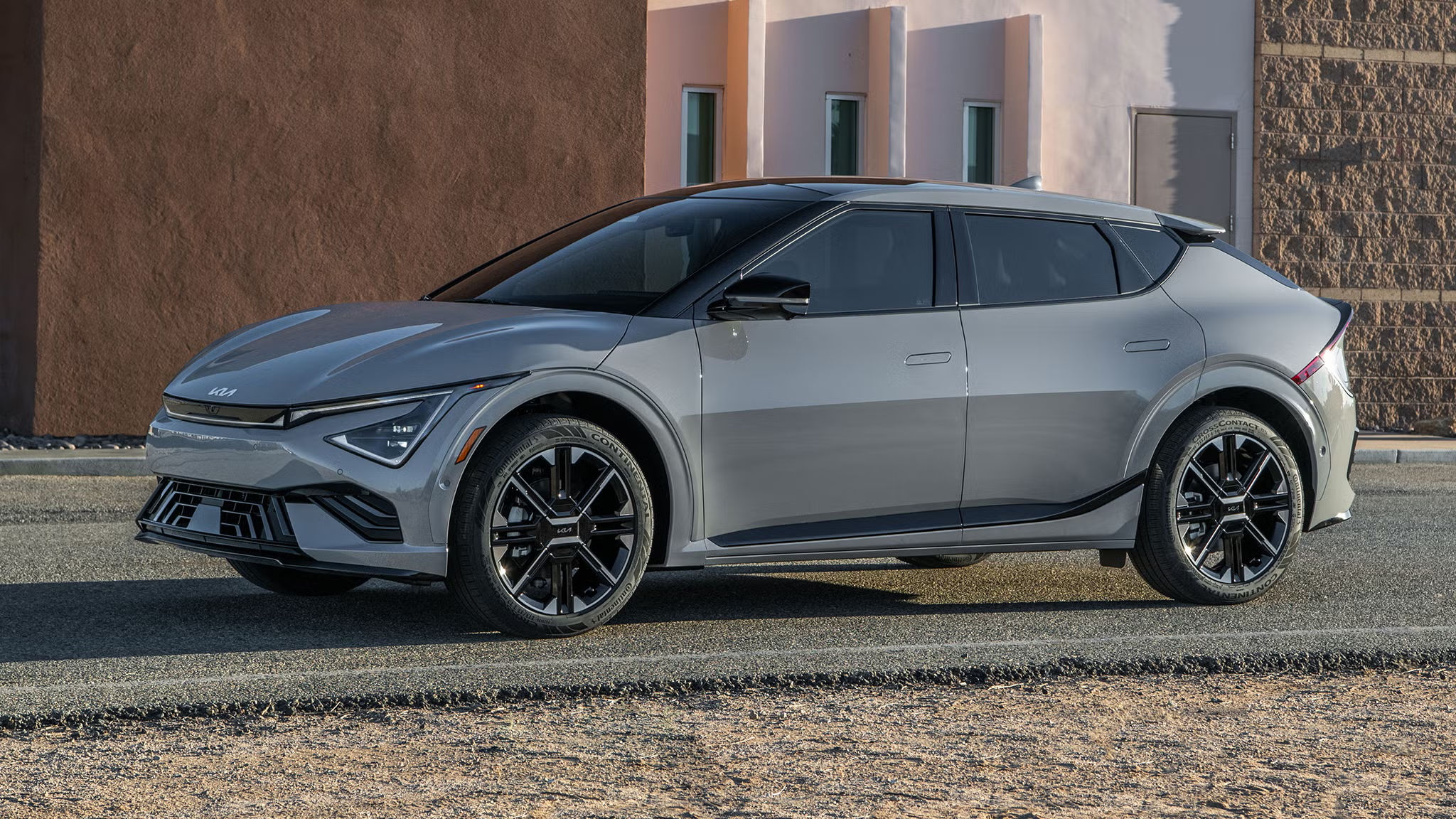
The EV6 takes a completely different approach. Its low-slung, fastback silhouette is athletic and aerodynamically aggressive, borrowing cues from sports saloons and GT cars. The 2026 model year update sharpens the EV6's front with a restyled bumper, revised Star Map LED lighting, and a more pronounced lower intake. The rear is equally dramatic with a full-width LED light bar. The EV6 is undoubtedly the sportier-looking of the two, appealing to drivers who want their EV to feel like a performance machine.
Design Verdict: If you prefer retro-futuristic boldness and a larger visual presence, the Ioniq 5 wins. If you want a sleek, dynamic, and sporty silhouette, the EV6 is the clear choice.
Interior & Cabin: Space vs. Sporty Cockpit
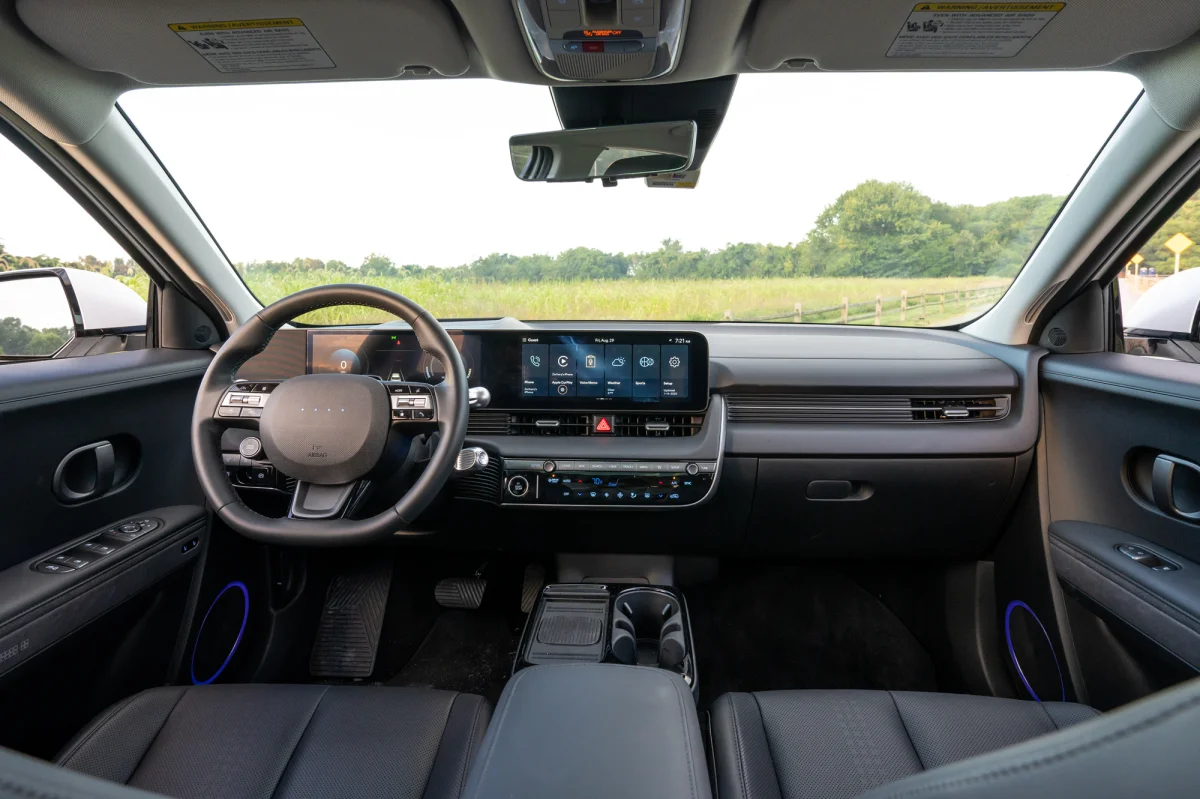
Hyundai Ioniq 5 2026 Interior
The Ioniq 5's interior is where it truly shines. Thanks to its flat floor (enabled by the E-GMP architecture) and long 3,000mm wheelbase, it offers an extraordinarily spacious cabin that rivals many SUVs. The 2026 model features a dual 12-inch screen setup (instrument cluster + infotainment), a unique sliding center console, and sustainable interior materials including eco-processed leather and recycled plastics. The rear seats offer limousine-like legroom, and the relaxed, lounge-like atmosphere makes long journeys genuinely comfortable.
Kia EV6 2026 Interior
The EV6's interior is driver-focused and sporty. A curved dual-screen panoramic display (12.3-inch instrument + 12.3-inch infotainment) wraps toward the driver, creating a cockpit feel. The center console is higher and more pronounced, reinforcing the sporty character. Rear headroom is tighter than the Ioniq 5 due to the sloping roofline, but front occupants enjoy a premium, tech-forward environment. The 2026 update introduces improved ambient lighting, upgraded seat materials, and a refined augmented reality head-up display.
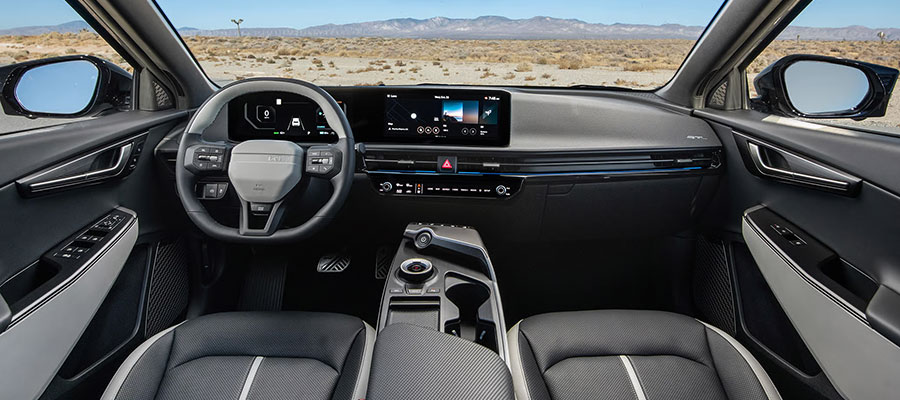
Interior Verdict: The Ioniq 5 wins on space and versatility. The EV6 wins on driver engagement and sporty ambiance. Choose based on whether you prioritize passenger comfort or driving focus.
Battery, Range & Charging
Both vehicles are offered with Standard Range and Long Range battery options, and both support 800V ultra-fast charging — a significant technological advantage over most competitors.
| Specification | Hyundai Ioniq 5 2026 | Kia EV6 2026 |
|---|---|---|
| Standard Range Battery | 58 kWh | 58 kWh |
| Long Range Battery | 84 kWh | 84 kWh |
| Est. Range (LR RWD) | Up to 507 km (WLTP) | Up to 528 km (WLTP) |
| Est. Range (LR AWD) | Up to 454 km (WLTP) | Up to 483 km (WLTP) |
| Max DC Fast Charging | 350 kW | 350 kW |
| 10–80% Charge Time | ~18 minutes | ~18 minutes |
| Vehicle-to-Load (V2L) | Yes (up to 3.6 kW) | Yes (up to 3.6 kW) |
The EV6 edges out the Ioniq 5 slightly in range figures across both configurations, largely due to its more aerodynamic body. However, both offer class-leading charging speeds with 350 kW DC fast charging capability, allowing a 10–80% charge in approximately 18 minutes — faster than virtually any rival at a similar price point.
Both vehicles also feature Vehicle-to-Load (V2L) technology, enabling you to power external devices or even other electric vehicles using the car's battery — a genuinely useful feature for camping, events, or emergencies.
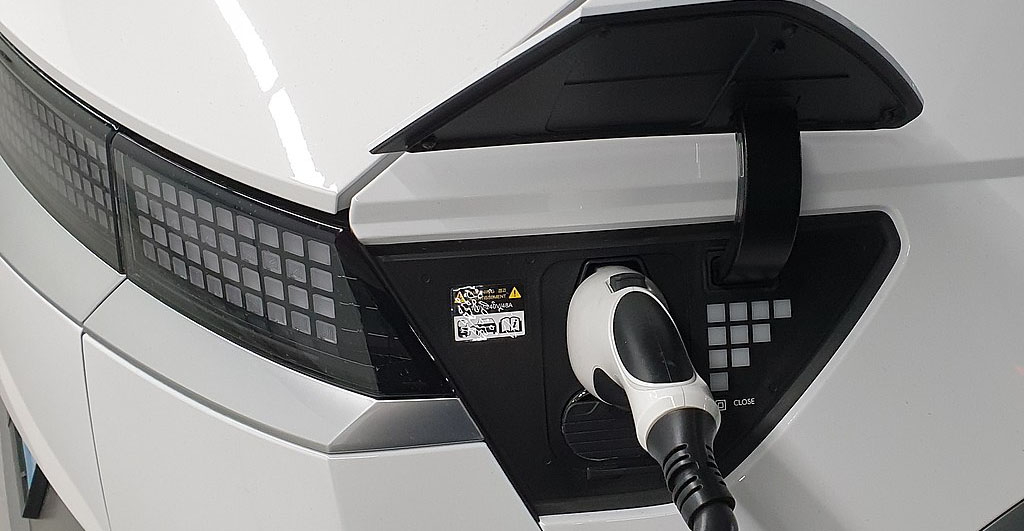
Range & Charging Verdict: The EV6 has a marginal range advantage. Both are equal on charging speed. The Ioniq 5's V2L is equally capable. This round is essentially a tie with a narrow edge to the EV6.
Performance & Powertrain
Both models are available in Rear-Wheel Drive (RWD) and All-Wheel Drive (AWD) configurations. The high-performance variants — the Ioniq 5 N and EV6 GT — are discussed separately below.
| Variant | Hyundai Ioniq 5 2026 | Kia EV6 2026 |
|---|---|---|
| Standard RWD Power | 168 hp (125 kW) | 168 hp (125 kW) |
| Long Range RWD Power | 225 hp (167 kW) | 229 hp (170 kW) |
| AWD Combined Power | 325 hp (242 kW) | 325 hp (242 kW) |
| AWD 0–100 km/h | 5.1 seconds | 5.2 seconds |
| Top Speed | 185 km/h | 188 km/h |
High-Performance Variants
For those who want genuine performance thrills, both brands offer dedicated performance editions:
- Hyundai Ioniq 5 N: 650 hp, 0–100 km/h in 3.4 seconds, with N-specific features like N Grin Boost, virtual gear shift sounds, and e-LSD. The Ioniq 5 N is widely regarded as one of the most driver-focused performance EVs available.
- Kia EV6 GT: 585 hp, 0–100 km/h in 3.5 seconds, featuring electronic limited-slip differentials on both axles and GT-tuned suspension. The EV6 GT offers a slightly less extreme but still exhilarating performance experience.
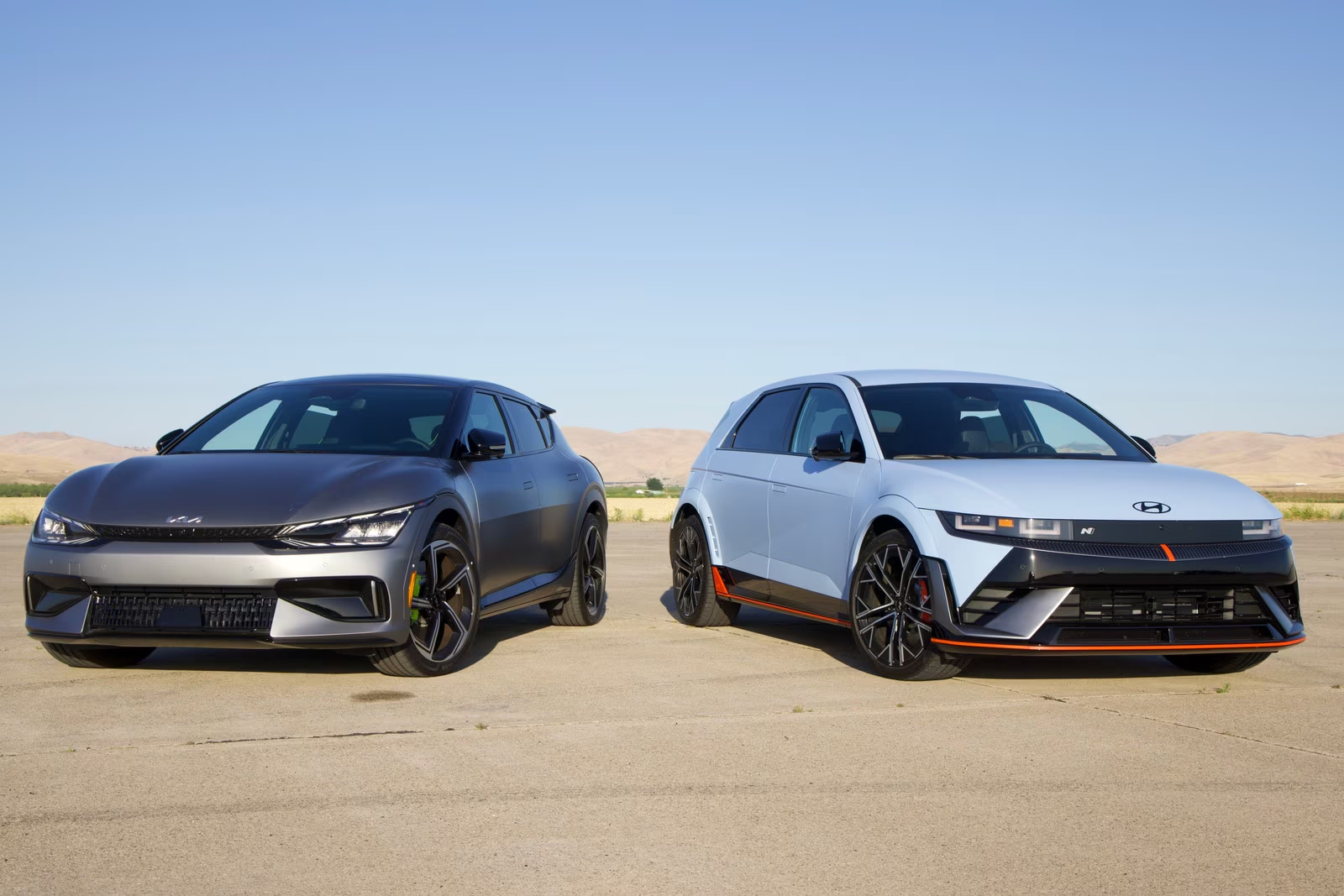
Performance Verdict: In standard form, both are nearly identical. For performance enthusiasts, the Ioniq 5 N holds the edge in power and driver-focused technology. The EV6 GT is no slouch, but the N badge carries more intensity.
Ride, Handling & Driving Dynamics
Despite sharing the same platform, these two cars feel noticeably different behind the wheel. The Ioniq 5 prioritizes comfort and refinement. Its suspension setup is tuned for a plush, absorbent ride that makes it feel more like a premium family EV. Body roll is managed but not aggressive, and the steering is light and easy to manage — ideal for urban environments and long highway cruises.
The EV6, on the other hand, has a tauter, more communicative suspension setup. It responds more keenly to driver inputs, and the steering has a slightly more weighted, sportier feel. The lower center of gravity (thanks to the sloping roofline) also gives the EV6 a more planted, confident cornering attitude.
Dynamics Verdict: The EV6 is the better driver's car. The Ioniq 5 is the more comfortable long-distance cruiser.
Technology & Infotainment
Both cars are equipped with Hyundai Motor Group's latest technology suite, though with some differences in presentation:
- Infotainment: Both feature large dual-screen setups with wireless Apple CarPlay and Android Auto, over-the-air (OTA) software updates, and navigation with EV route planning that accounts for charging stops.
- Driver Assistance: Both include Highway Driving Assist 2 (HDA 2), Forward Collision Avoidance, Lane Keeping Assist, Blind Spot Collision Warning, and Remote Smart Parking Assist.
- Head-Up Display: Both offer augmented reality HUD in higher trims — a genuinely useful navigation aid.
- Sound System: The Ioniq 5 features a Bose premium audio system, while the EV6 is equipped with a Meridian sound system — both are excellent but the Meridian in the EV6 is widely considered slightly superior for audiophiles.
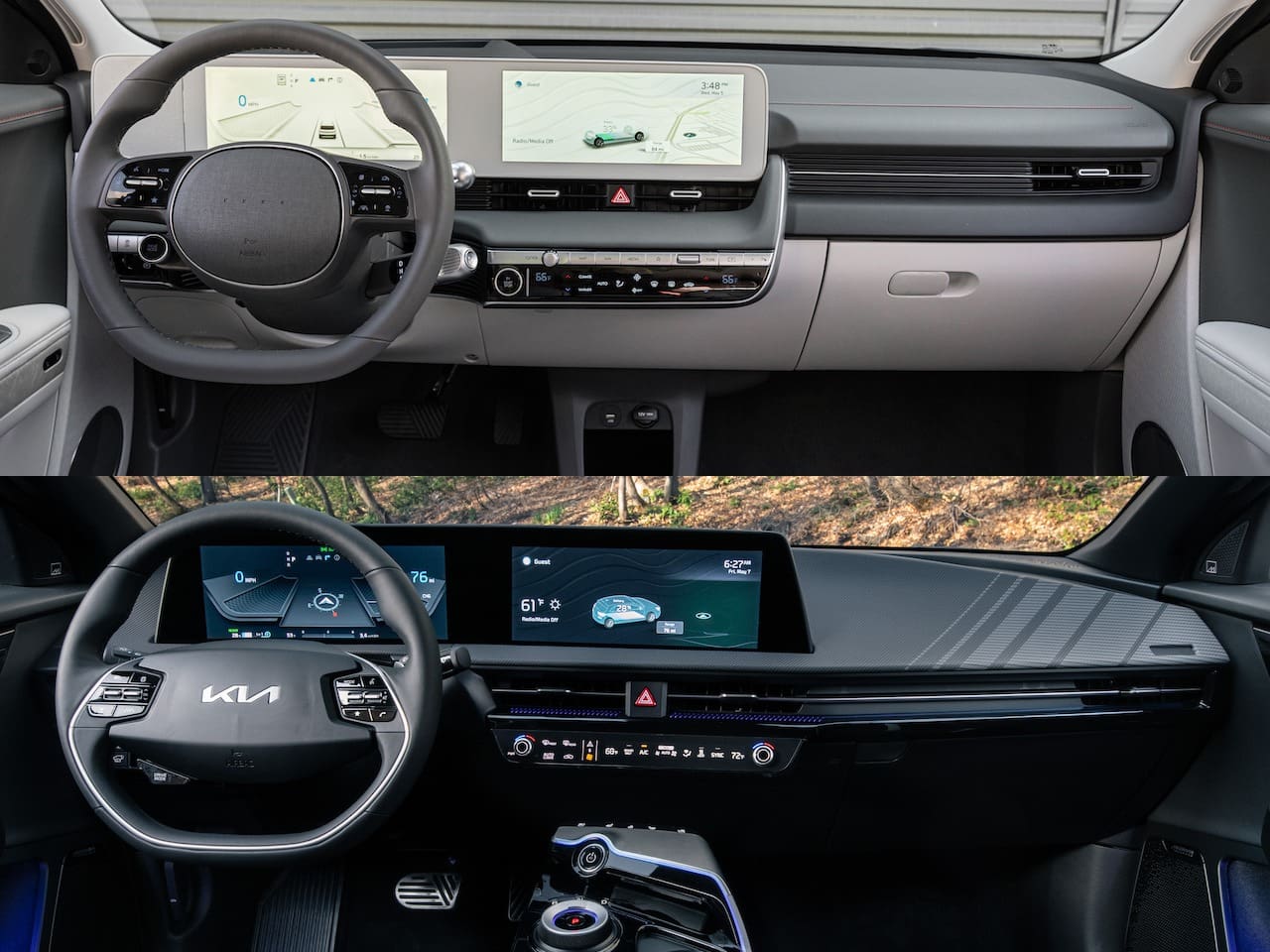
Tech Verdict: Essentially a tie. The EV6 edges ahead with the Meridian audio system; the Ioniq 5 benefits from more intuitive physical controls alongside its digital interfaces.
Practicality & Cargo Space
| Practicality | Hyundai Ioniq 5 2026 | Kia EV6 2026 |
|---|---|---|
| Boot/Trunk Capacity | 527 litres | 490 litres |
| Frunk (Front Trunk) | 24 litres (RWD) / N/A (AWD) | 20 litres (RWD) / N/A (AWD) |
| Rear Legroom | Excellent (long wheelbase) | Good (limited by roofline) |
| Rear Headroom | Excellent | Moderate |
| Towing Capacity | 1,600 kg (AWD) | 1,600 kg (AWD) |
The Ioniq 5 is the clear winner in practicality. Its upright design and longer wheelbase translate to superior interior space, more boot capacity, and better rear passenger accommodation. The EV6's sloping roofline compromises rear headroom for taller passengers.
Practicality Verdict: Ioniq 5 wins decisively for families and those who need maximum usable space.
Pricing & Value
Exact pricing varies by market, but globally the two cars occupy similar price brackets with the EV6 typically priced slightly lower at the entry level due to its more compact dimensions:
- Hyundai Ioniq 5 2026: Starting from approximately $42,000–$55,000 USD (depending on trim and market)
- Kia EV6 2026: Starting from approximately $40,000–$54,000 USD (depending on trim and market)
Both offer strong standard equipment levels, comprehensive warranties (typically 5-year vehicle / 8-year battery warranty from Hyundai Motor Group), and access to a growing global charging network. The value proposition of both cars remains exceptional relative to competitors like the Tesla Model Y or Volkswagen ID.4.
Value Verdict: Both offer exceptional value. The EV6 is marginally more affordable at entry level; the Ioniq 5 justifies a slight premium with more interior space and comfort.
Final Verdict: Which Should You Choose?
After this comprehensive analysis, the answer ultimately comes down to your lifestyle and priorities:
- Choose the 2026 Hyundai Ioniq 5 if: You prioritize interior space and rear passenger comfort, want a distinctive retro-futuristic design statement, prefer a more relaxed and comfortable ride, need maximum practicality for family use, or want the extreme Ioniq 5 N performance variant.
- Choose the 2026 Kia EV6 if: You value a sportier, more driver-focused driving experience, prefer a sleek and aerodynamic exterior design, want a marginally better driving range, enjoy a premium cockpit-style interior, or are considering the EV6 GT as a performance option.
Both cars are genuinely outstanding achievements in electric vehicle engineering and represent some of the best EVs available at any price point in 2026. Whichever you choose, you are getting a world-class electric vehicle backed by one of the most capable EV platforms on the planet.
— AutoTickers Automotive Expert Team