Introduction: A New Era for Bugatti
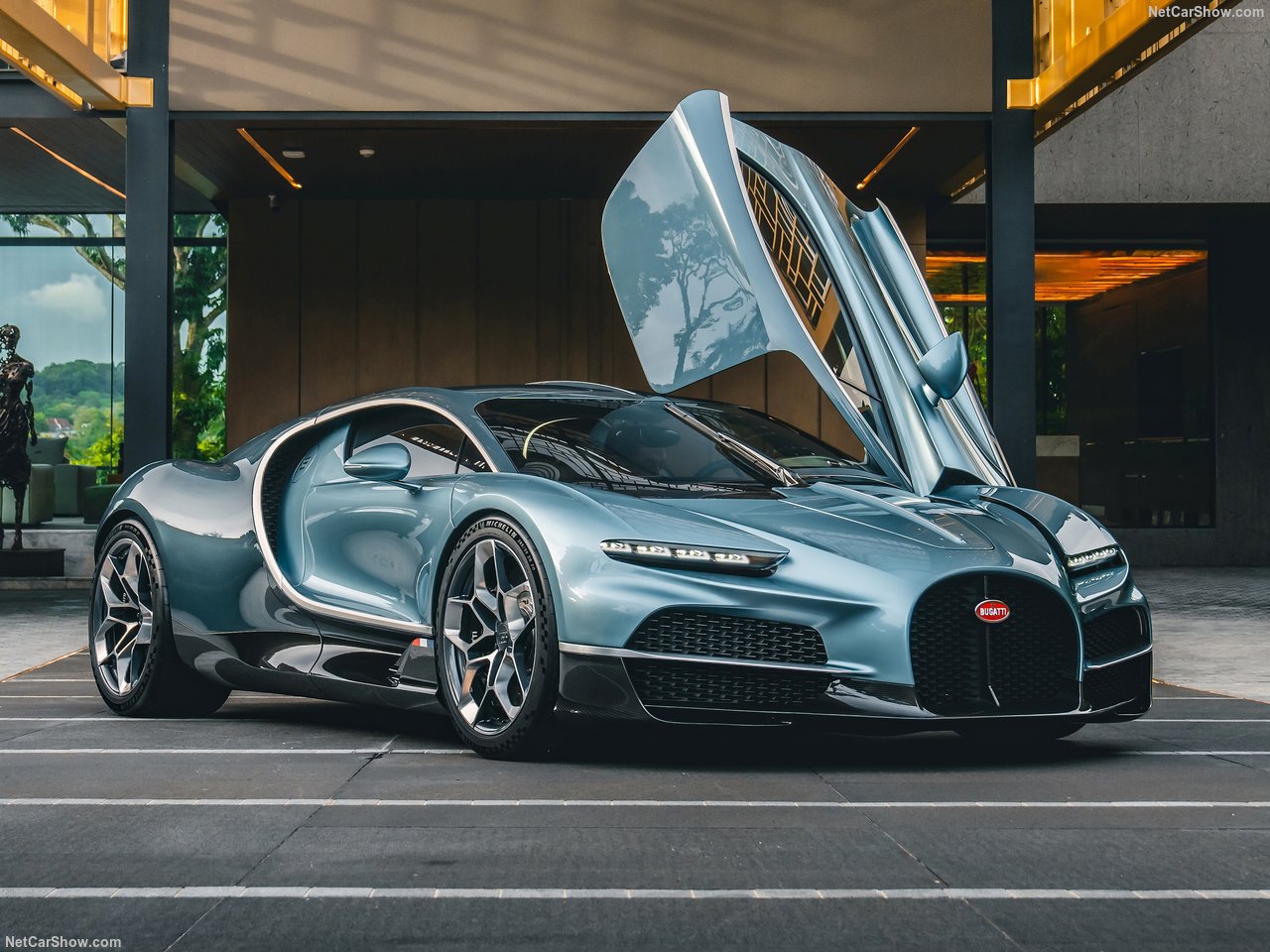
When Bugatti unveiled the Tourbillon in June 2024 at the Château Saint Jean in Molsheim, France, the automotive world stood still. Named after the intricate watchmaking mechanism that counteracts the effects of gravity on a timepiece, the Bugatti Tourbillon 2026 is more than a car — it is a statement of art, engineering mastery, and relentless pursuit of perfection. As your trusted automotive experts at AutoTickers, we bring you a detailed review of this extraordinary machine that is set to redefine what a hypercar can be.
Design: Sculpted by Time and Obsession
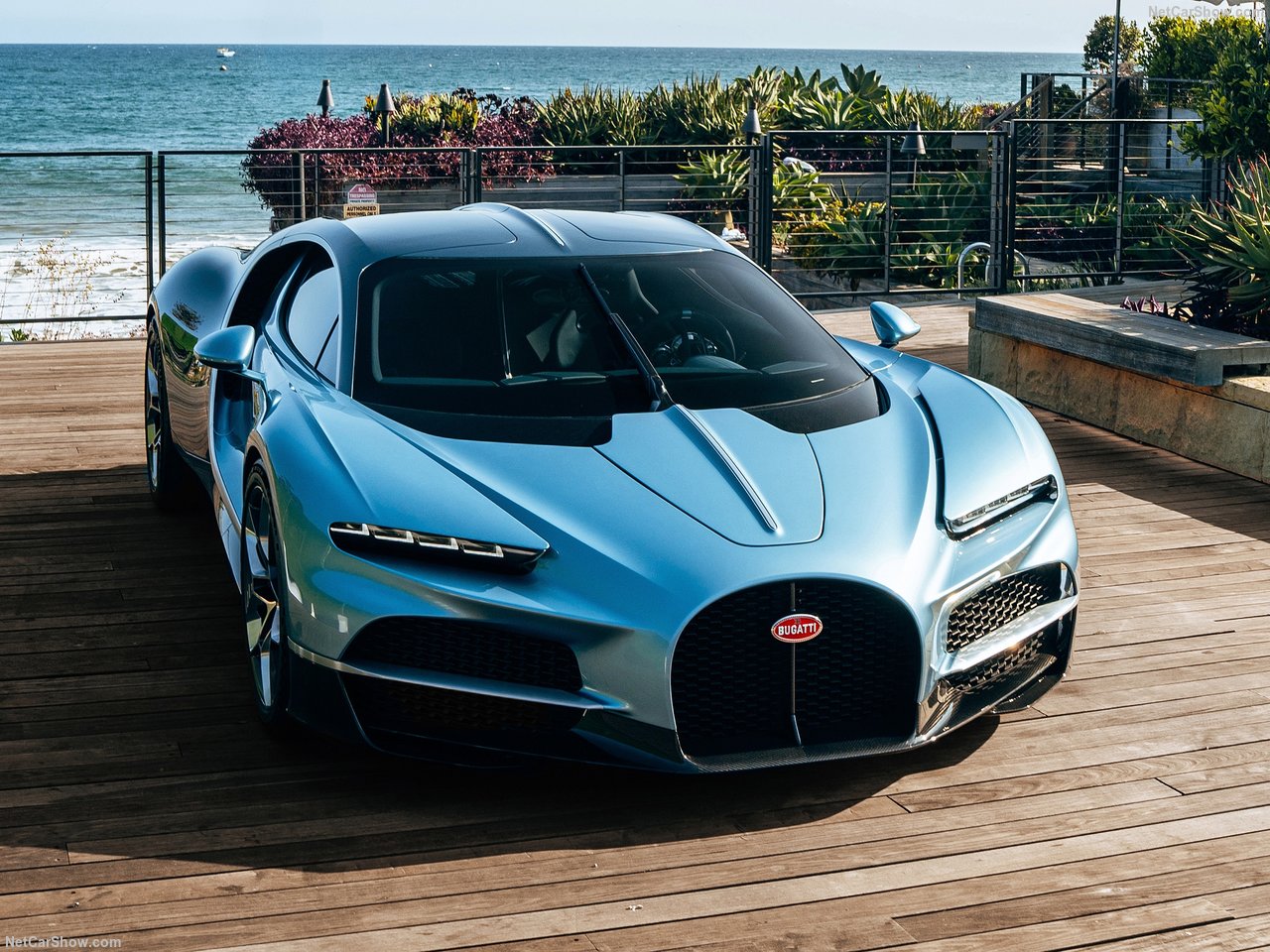
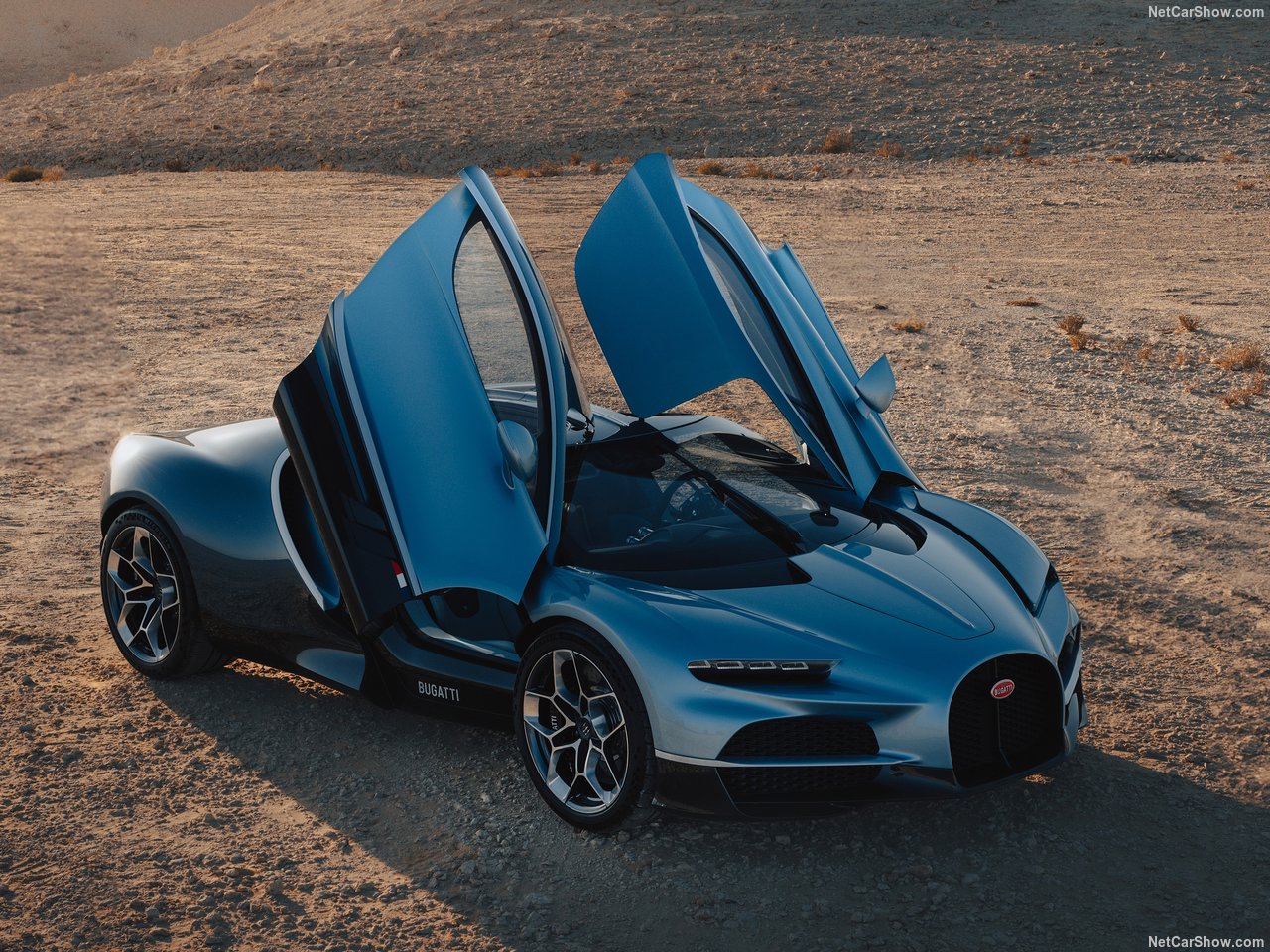
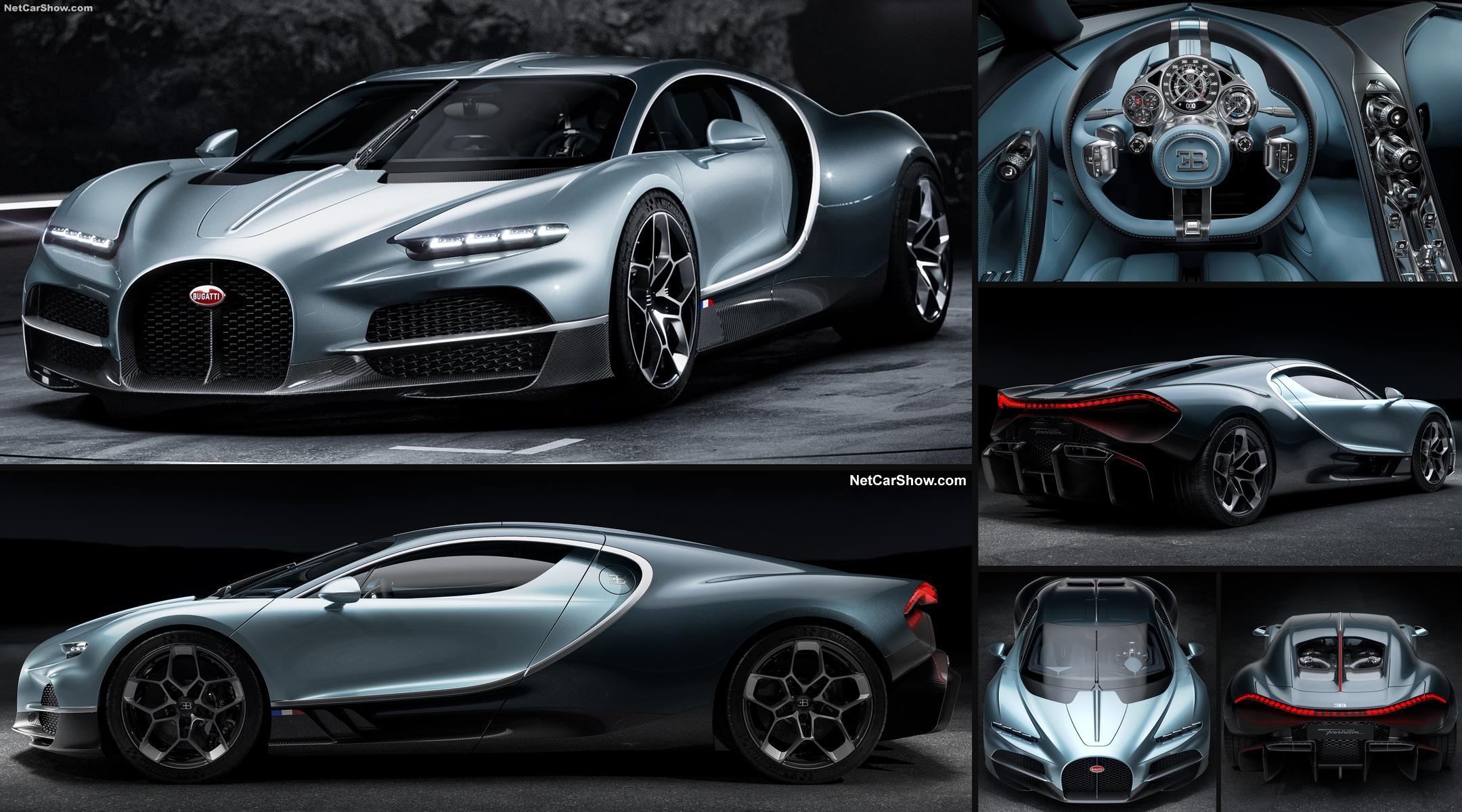
The Bugatti Tourbillon 2026 draws its visual identity from the brand's storied heritage while pushing into a bold new aesthetic direction. The body is a masterclass in aerodynamic sculpture — every curve, crease, and surface has been meticulously crafted to balance stunning visual presence with functional downforce and cooling efficiency.
At the front, the iconic Bugatti horseshoe grille is reinterpreted in a more expansive, three-dimensional form, flanked by razor-sharp LED lighting signatures. The wide haunches over the rear wheels, the dramatic roof-mounted air intakes, and the full-width rear diffuser give the car a presence that is immediately recognizable and deeply commanding. A retractable rear wing adjusts automatically based on speed and driving mode, providing active aerodynamic management.
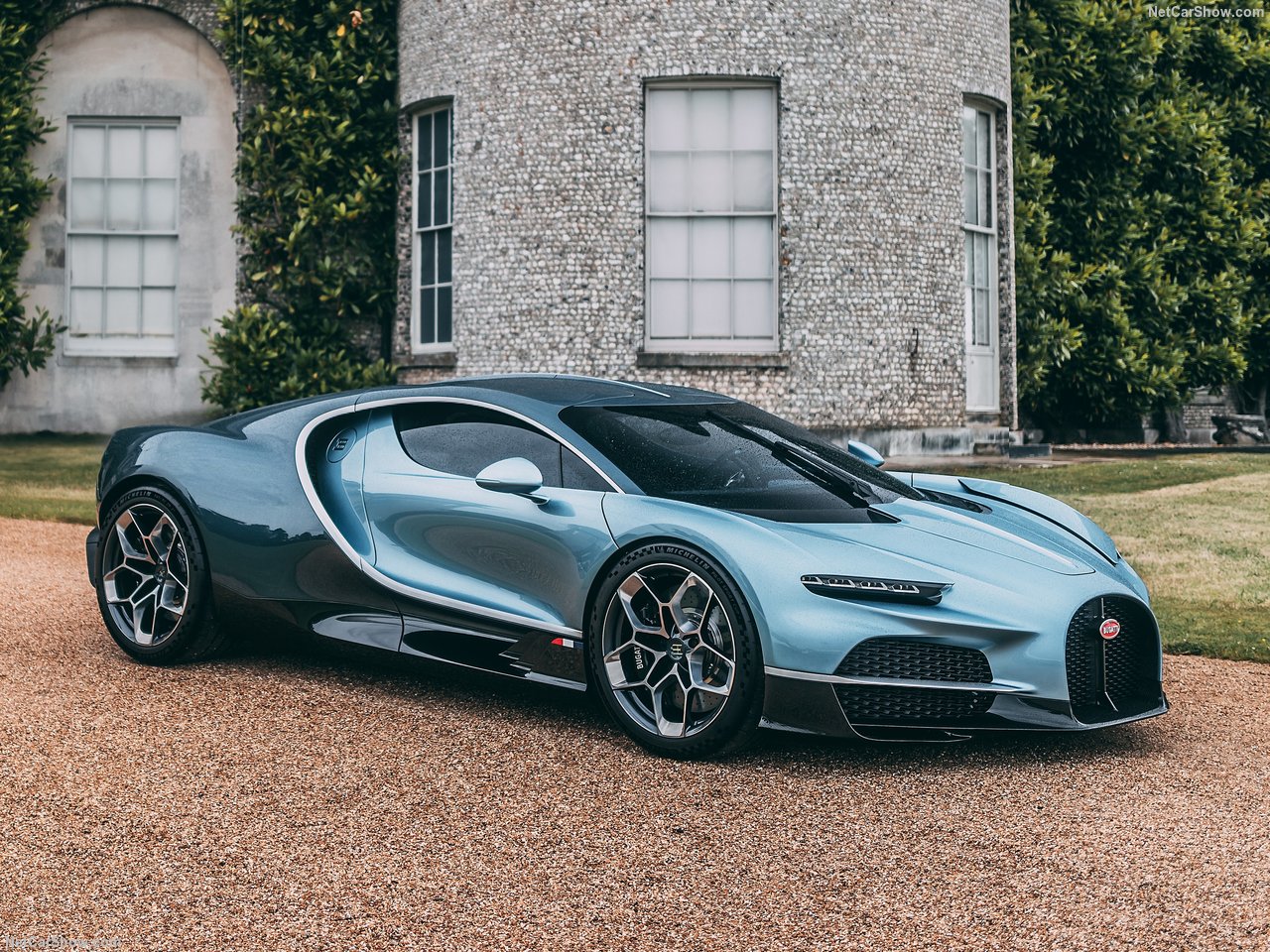
The body is constructed predominantly from carbon fiber, contributing to an impressively low dry weight of approximately 1,995 kg despite housing a complex hybrid powertrain. Available in a virtually limitless palette of bespoke colors and finishes through Bugatti's Sur Mesure personalization program, each Tourbillon is effectively unique to its owner.
Powertrain: The Heart of a Legend — Naturally Aspirated V16
This is where the Bugatti Tourbillon 2026 truly transcends its contemporaries. At a time when the industry has pivoted almost exclusively to turbocharged and electrified powertrains, Bugatti made the audacious decision to develop an entirely new, naturally aspirated V16 combustion engine — the first new Bugatti engine architecture in over 15 years.
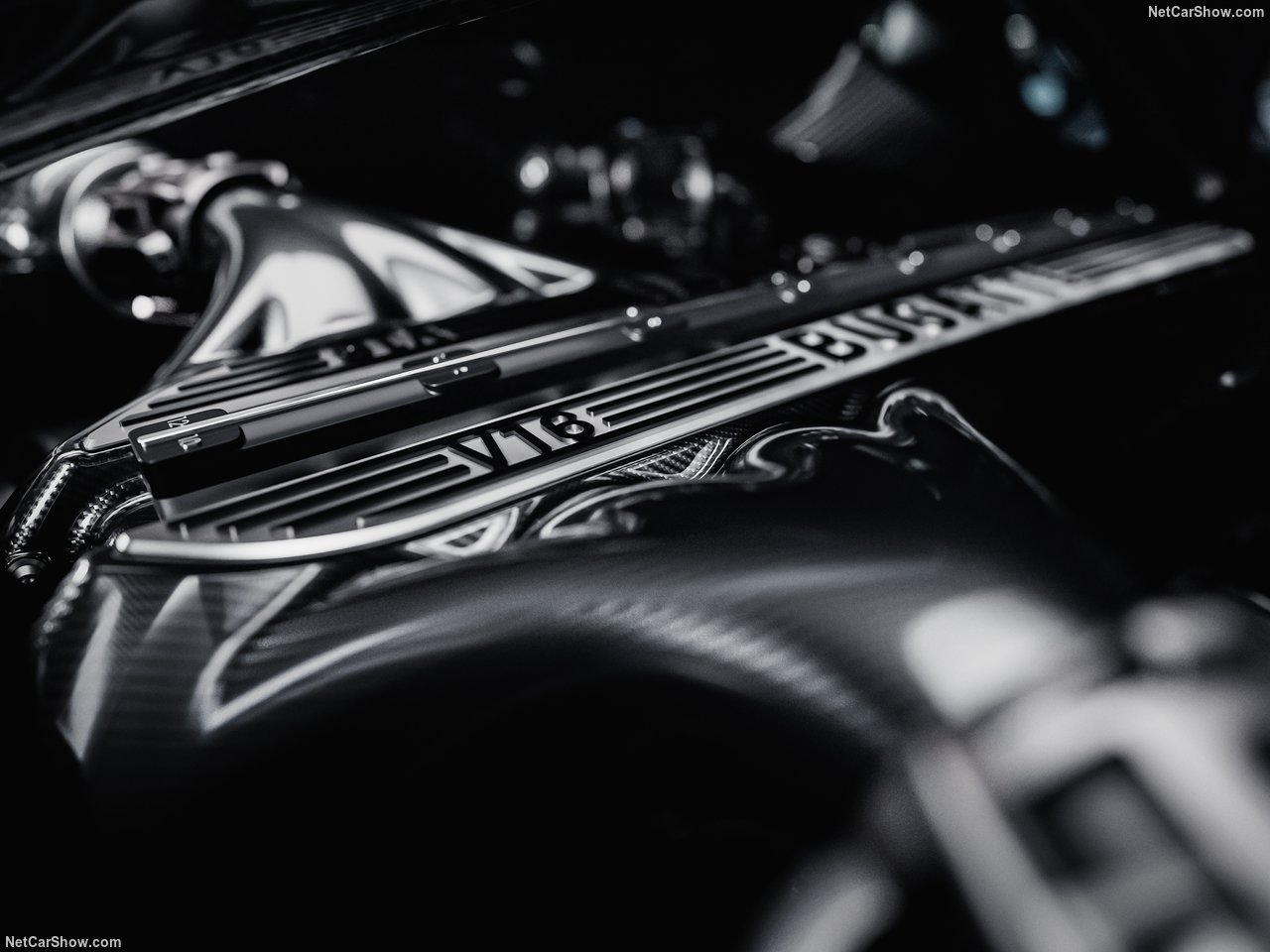
The 8.3-liter naturally aspirated V16 engine, developed in collaboration with Cosworth, produces approximately 1,000 horsepower on its own, revving to an astonishing 9,000 rpm. The engine is a high-revving masterpiece that delivers a visceral, unfiltered soundtrack unlike anything heard in the modern automotive landscape. This engine is paired with three electric motors — one on the front axle driving the front wheels and two on the rear axle — to create a comprehensive plug-in hybrid system.
The combined output of the entire powertrain is rated at over 1,800 horsepower (approximately 1,340 kW), making the Tourbillon one of the most powerful road-legal production vehicles ever created. The electric motors draw power from an 800-volt electrical architecture and a 25 kWh battery pack, enabling an estimated 60 km (approximately 37 miles) of all-electric driving range, a feature unprecedented in Bugatti's history.
Performance Figures: Numbers That Defy Reality
Bugatti has confirmed that the Tourbillon will accelerate from 0 to 100 km/h (0–62 mph) in approximately 2.0 seconds, 0 to 200 km/h in under 5.0 seconds, and 0 to 300 km/h in under 10.0 seconds. The electronically limited top speed is set at 445 km/h (277 mph), though Bugatti has hinted that the car's actual capability may exceed this figure once a top-speed record attempt is pursued.
Power is managed through an all-new 8-speed dual-clutch transmission (DCT), developed specifically for the Tourbillon's unique power delivery characteristics. The all-wheel-drive system utilizes torque vectoring across all four wheels, with the electric motors on each axle allowing for near-instantaneous torque delivery and precision cornering dynamics that were previously unattainable in a car of this weight and power.
Interior: A Horological Masterpiece
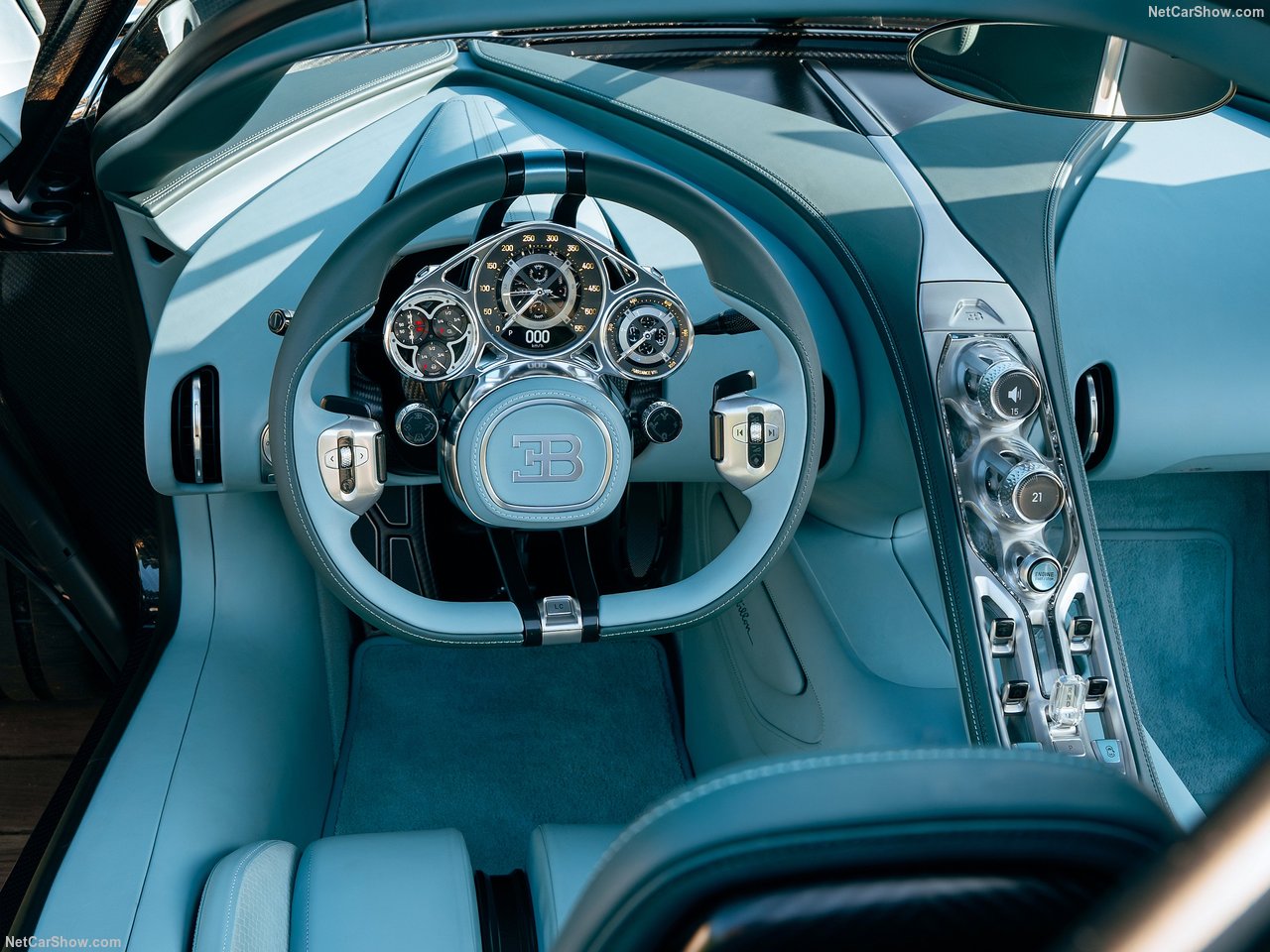
Step inside the Bugatti Tourbillon and you enter a world where automotive design and haute horlogerie merge seamlessly. The cabin is a deliberate counterpoint to the trend of screen-heavy interiors. Bugatti has made the bold design choice to minimize digital displays in favor of genuine analog instruments — each crafted with watchmaking-level precision.
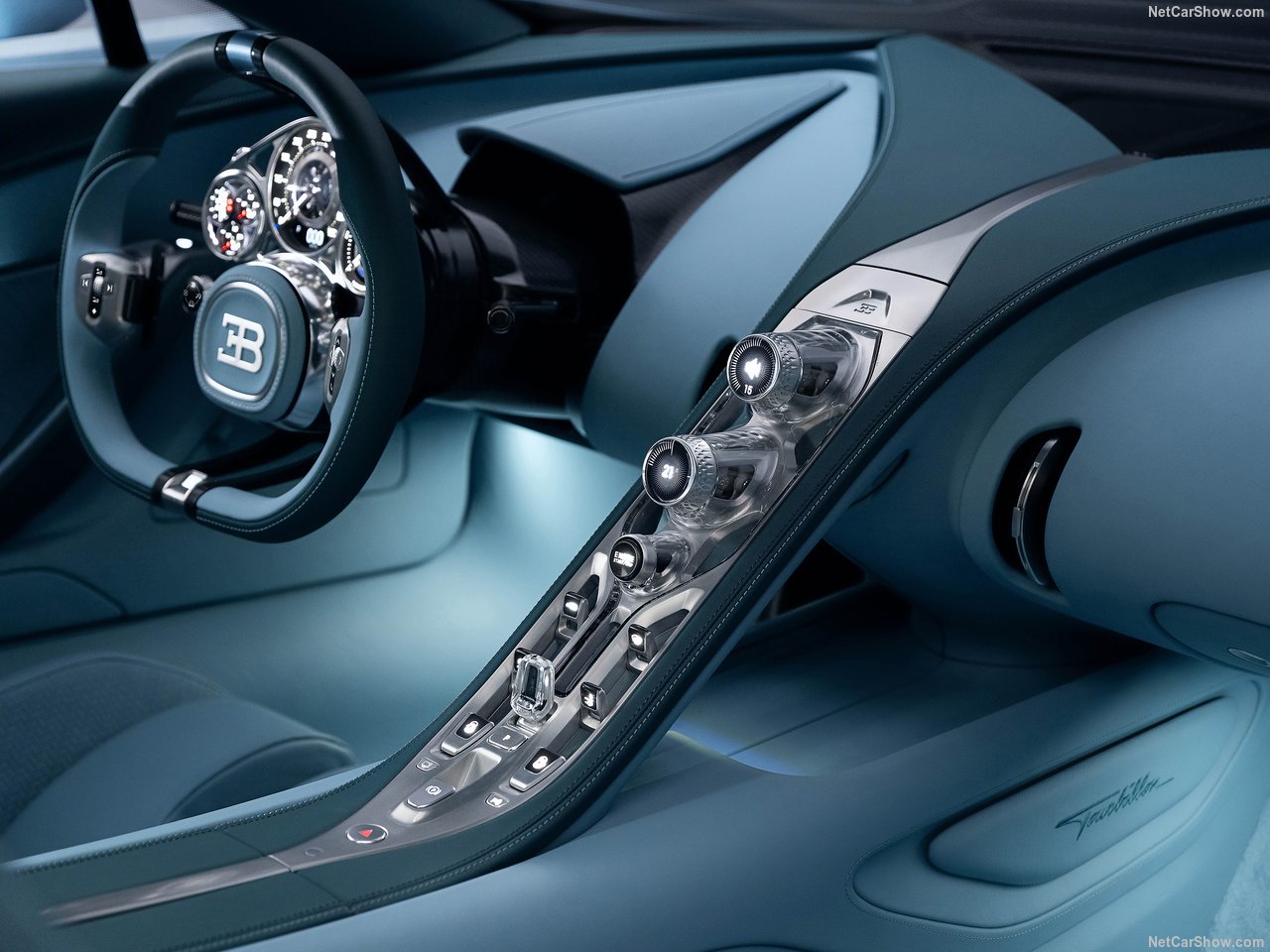
The centerpiece of the dashboard is a mechanical analog instrument cluster featuring a central tachometer and speedometer, flanked by additional gauges for fuel level, battery charge, and other vital information. These instruments are constructed from titanium and sapphire crystal glass, with components machined to tolerances more commonly associated with Swiss luxury watches than automotive dashboards. The tachometer alone contains over 600 individual components.
The driver-centric cockpit is wrapped in the finest leathers, Alcantara, and polished aluminum accents. The steering wheel features integrated controls finished in fine leather and metal, while the seats are bespoke, anatomically sculpted for both comfort on long journeys and support during spirited driving. A small central touchscreen is discreetly integrated for navigation, media, and connectivity functions, but it never dominates the visual landscape of the cabin.
Technology and Driver Assistance
Despite its analog soul, the Bugatti Tourbillon 2026 is underpinned by cutting-edge technology. The 800-volt electrical architecture enables ultra-fast charging capabilities, while the sophisticated energy management system seamlessly transitions between combustion, hybrid, and full-electric modes depending on driver input and driving conditions.
Active suspension technology, carbon-ceramic braking systems with six-piston front and four-piston rear calipers, and an advanced traction control and stability management system work in concert to keep this 1,800+ hp machine both fast and manageable. Multiple driving modes — including EV, Hybrid, Comfort, Sport, and Track — allow the driver to tailor the car's behavior to their preferences and the driving environment.
Production and Exclusivity
Bugatti has confirmed a production run of just 250 units for the Tourbillon, ensuring extreme exclusivity in keeping with the brand's tradition. Each car will take approximately 18 months to build at the Atelier in Molsheim, with every component receiving individual attention from Bugatti's master craftspeople. Reports indicate that the order books were effectively filled within the first 24 hours of the car's public reveal, a testament to the hypercar's extraordinary desirability.
Price: The Cost of Perfection
The Bugatti Tourbillon carries a starting price of approximately €3.8 million (roughly $4.1 million USD before taxes and options). With the extensive personalization options available through the Sur Mesure program, final transaction prices for individual examples are expected to reach and potentially exceed €5 million. First deliveries are anticipated to commence in 2026.
AutoTickers Verdict
The Bugatti Tourbillon 2026 is not merely the successor to the Chiron — it is a quantum leap forward in what a road-legal automobile can aspire to be. The decision to develop a naturally aspirated V16 engine in the age of electrification demonstrates Bugatti's unwavering commitment to delivering an authentic, emotionally resonant driving experience. Combined with a stunning design language, an interior that rivals the finest Swiss watches in its craftsmanship, and performance figures that challenge the limits of physics, the Tourbillon stands as the undisputed apex predator of the hypercar world.
For those fortunate enough to secure one of the 250 examples, the Bugatti Tourbillon 2026 will not just be a car — it will be a rolling monument to human ingenuity. At AutoTickers, we regard it as the most significant automotive achievement of this generation. A perfect 10 out of 10.