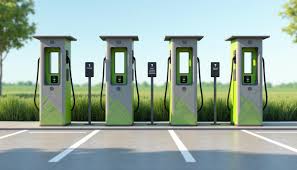
Baku Expands Electric Vehicle Charging Network
Azerbaijan's capital, Baku, is accelerating its transition toward sustainable urban mobility. With electric vehicles (EVs) gaining significant traction across the country, the city's charging infrastructure has seen remarkable growth over the past two years. Government initiatives, SOCAR Energy investments, and private-sector participation are collectively reshaping how Bakuvians power their vehicles.

SOCAR Energy: Leading the Charge
State oil company SOCAR, through its retail energy arm SOCAR Energy, has been at the forefront of deploying EV charging points across Baku. SOCAR petrol stations now increasingly feature dedicated EV charging bays alongside traditional fuel pumps. The company has installed AC (alternating current) and DC (direct current) fast chargers at select locations, offering charging speeds of up to 50 kW on DC fast-charge units.
Key SOCAR Energy EV charging locations in Baku include:
- SOCAR Station – Nizami Street Area: Centrally located, offering Type 2 AC charging.
- SOCAR Station – Heydar Aliyev Avenue: One of the busiest corridors in the city with DC fast-charge capability.
- SOCAR Station – Neftchilar Avenue (Bayil): Convenient for residents of the Bayil and Oil Rocks administrative districts.
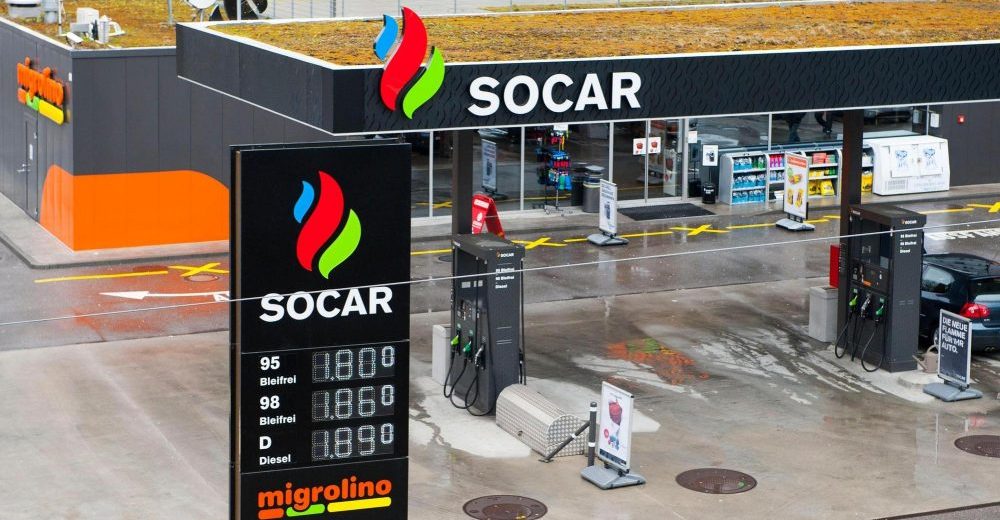
ABB and Tesla-Compatible Fast Chargers
Several commercial and shopping centre operators in Baku have partnered with international equipment suppliers to install ABB Terra DC fast chargers and CCS/CHAdeMO-compatible units. Shopping destinations such as Port Baku Mall, Ganjlik Mall, and 28 Mall have introduced EV parking spots with charging facilities, making it convenient for shoppers to top up while they browse.
Charging connectors available across Baku currently include:
- Type 2 (Mennekes): The most common AC charging standard in Europe and increasingly in Azerbaijan.
- CCS Combo 2: For DC fast charging of most European and American EVs.
- CHAdeMO: Primarily used by Nissan Leaf and some Japanese EV models.
- GB/T: Available at select stations for Chinese-manufactured EVs, which are growing in popularity in Azerbaijan.
Public Charging Points Across the City
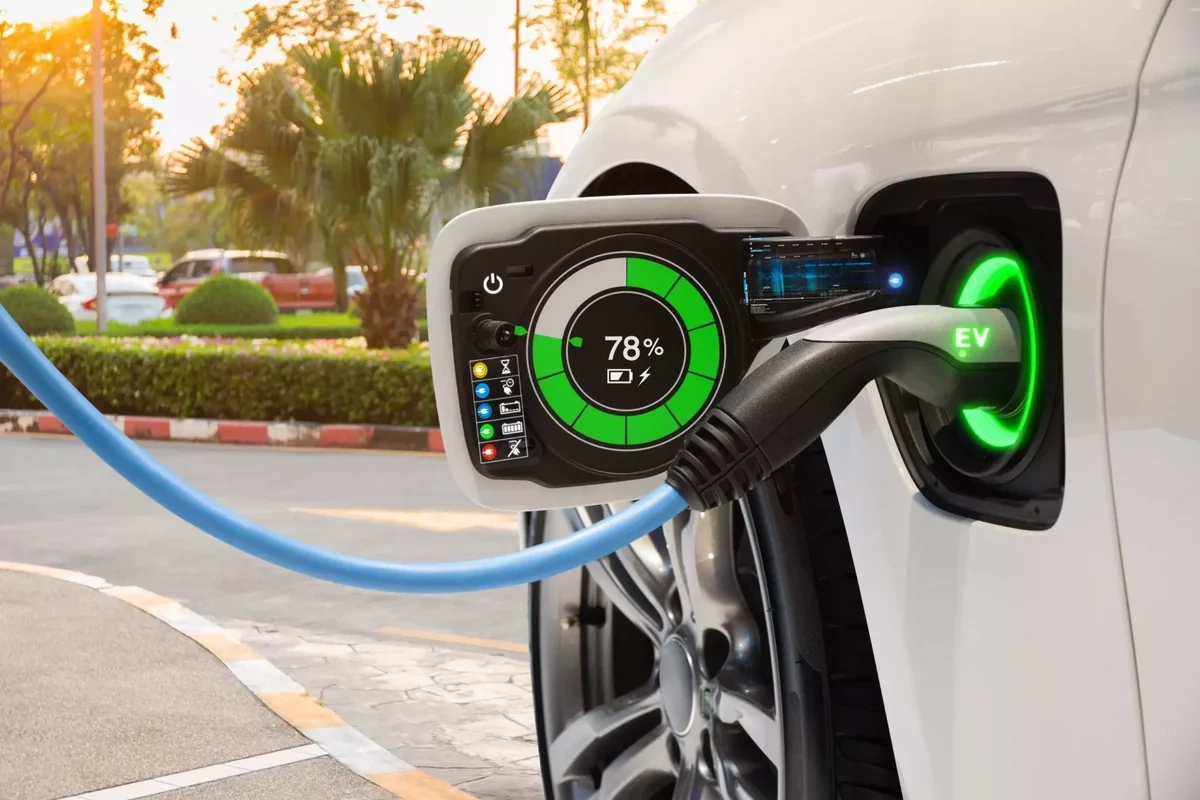
Beyond commercial operators, the Baku City Executive Authority and the Ministry of Digital Development and Transport have supported the rollout of public charging infrastructure. Charging pillars have been spotted in the following key areas:
- Bulvar (Baku Boulevard): Scenic seafront charging points serving tourists and locals alike.
- Flame Towers Parking: Underground and surface parking at the iconic Flame Towers complex features EV charging bays.
- Baku White City: The modern mixed-use development has integrated EV charging into its residential and commercial parking facilities.
- Heydar Aliyev Center Parking: EV chargers available in the car park of this internationally renowned architectural landmark.
- Baku International Airport (Heydar Aliyev International Airport): Charging stations available in the short-stay and long-stay car parks, catering to travellers with EVs.

Charging Costs and Payment Methods
Charging tariffs in Baku vary by operator and charging speed. As of 2024–2025, typical pricing structures include:
- AC slow charging (up to 22 kW): Approximately 0.10–0.15 AZN per kWh.
- DC fast charging (50 kW): Approximately 0.20–0.30 AZN per kWh.
- Some mall and hotel locations: Offer complimentary charging as an added amenity for customers and guests.
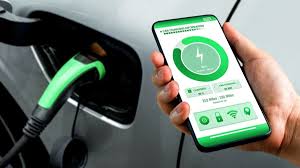
Payment is accepted via contactless bank cards, dedicated mobile apps (including apps provided by individual operators), and in some cases, QR code-based payment systems. Azerenerji and several fintech startups are working to introduce a unified payment platform to streamline the experience for EV drivers across Azerbaijan.
Apps to Find Charging Stations in Baku
Navigating Baku's growing charging network is made easier with several digital tools:
- PlugShare: The globally popular EV charging map app lists user-verified stations across Baku, including photos, reviews, and real-time availability data.
- OCPP-integrated operator apps: Individual operators in Azerbaijan are beginning to launch branded apps for station location, remote session start, and billing.
- Google Maps & Apple Maps: Both platforms now incorporate EV charging station data for Baku, making navigation straightforward from any smartphone.
Government Policy and Future Expansion
The Azerbaijani government has set ambitious targets for EV adoption as part of its broader green energy and sustainability agenda. Azerbaijan's State Programme on development of the use of alternative and renewable energy sources outlines incentives for EV imports, reduced customs duties, and tax exemptions for electric vehicles.
Plans are underway to expand the charging network to cover:
- All major highways connecting Baku to regional cities such as Ganja, Sumqayit, and Lankaran.
- Rest stops along the Baku–Tbilisi–Kars corridor, supporting cross-border EV travel.
- Residential apartment complexes, with updated building codes requiring new developments to include EV charging provisions.
Industry analysts estimate that by 2027, Baku could have over 500 public charging points, up from an estimated 80–120 currently operational units, representing a fourfold increase in just a few years.
Challenges Ahead
Despite the positive momentum, challenges remain. Grid capacity in some older districts of Baku needs upgrading to support high-power DC chargers. Standardisation of connectors and payment systems is still a work in progress. Additionally, consumer awareness about EV range and charging logistics continues to be a barrier for some potential buyers considering the switch from petrol vehicles.
However, with SOCAR, government bodies, and international investors all committed to the cause, Baku's electric mobility transformation is well and truly underway.
Conclusion
Baku's EV charging landscape is evolving rapidly, driven by state investment, commercial interest, and growing consumer demand. Whether you are a resident EV owner, a visitor renting an electric car, or simply curious about Azerbaijan's green transition, the capital's charging network is becoming more accessible, more reliable, and more comprehensive with each passing month. Keep an eye on official announcements from SOCAR Energy and the Ministry of Digital Development and Transport for the latest station openings and incentive programmes.