
Chinese electric vehicle powerhouse BYD is facing one of its most challenging periods in recent history, as the company's sales downturn has now extended into its eighth consecutive month, according to data reported in May 2026. The prolonged slump is drawing significant attention from automotive analysts, investors, and competitors worldwide, prompting serious questions about whether BYD's remarkable growth trajectory of the past few years has reached an inflection point.
Month-by-Month Sales Performance
BYD's sales figures have painted a concerning picture over the past eight months. After peaking in mid-2025, the brand began experiencing a steady decline across its key markets. The month-over-month figures reflect the mounting pressure:
- October 2025: First signs of decline emerged, with total vehicle sales dipping approximately 3–4% compared to September 2025, marking the beginning of what would become a prolonged downturn.
- November 2025: Sales continued to slide, with a further month-on-month decrease of around 5%, partly attributed to softening demand in China's domestic EV market and growing inventory at dealerships.
- December 2025: Despite the traditionally strong end-of-year sales season, BYD failed to arrest the decline, recording another month of reduced figures as consumer confidence showed signs of weakness.
- January 2026: The new year brought little relief. Post-holiday slowdowns compounded existing market pressures, and BYD's sales fell again, extending the streak to four consecutive months of decline.
- February 2026: The Lunar New Year period, historically a mixed period for auto sales in China, saw BYD's numbers remain under pressure, with month-on-month sales falling further.
- March 2026: Quarter-end buying incentives from dealers did not fully offset the broader trend, and BYD posted its sixth consecutive month of declining sales. International markets also began showing strain, particularly in Europe and Southeast Asia.
- April 2026: The seventh month of decline confirmed the trend was structural rather than temporary. Competition from domestic rivals such as Li Auto, NIO, and Xpeng, as well as renewed pressure from international brands re-entering the affordable EV segment, weighed heavily on BYD's performance.
- May 2026: Preliminary data for May 2026 confirmed the eighth consecutive month of declining sales, solidifying the downturn as one of the most significant in BYD's modern history.
BYD Han EV – The Flagship Under Pressure
The BYD Han EV, one of BYD's flagship sedan models that helped catapult the brand into the premium electric vehicle segment, has seen notable sales softness. The Han, which competes directly with the Tesla Model 3 in China and international markets, has struggled to maintain its earlier momentum amid aggressive pricing moves by rivals and an increasingly crowded premium EV segment.
BYD Atto 3 – Compact SUV Faces Stiff Competition
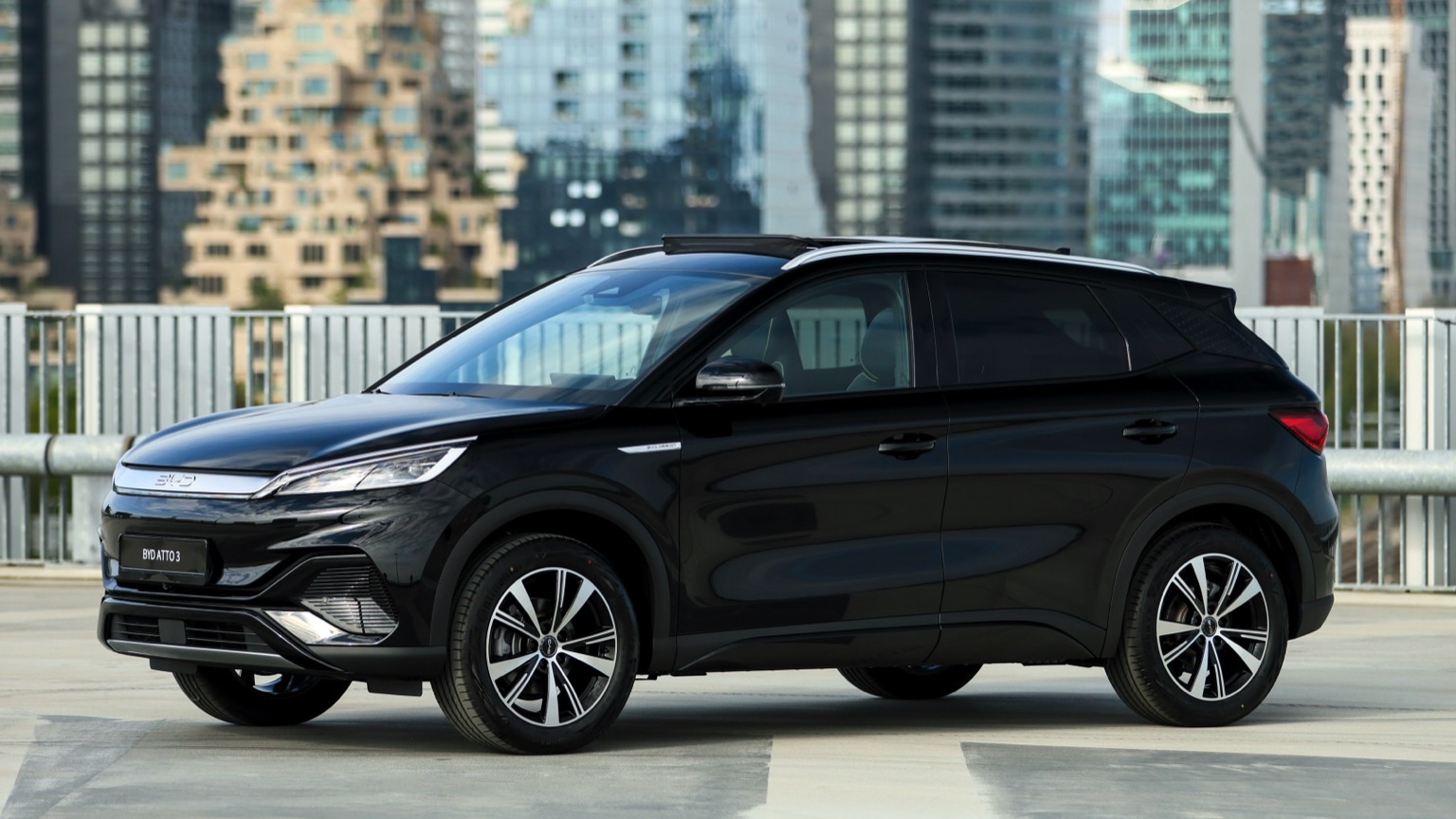
The BYD Atto 3, BYD's globally exported compact SUV, has also been impacted. In markets such as Australia, Europe, and Southeast Asia, the Atto 3 faces increasing competition from both local brands and other Chinese manufacturers offering comparable vehicles at lower price points. Sales of the Atto 3 have softened in key international markets, contributing to the overall decline in BYD's global numbers.
BYD Seal – The Sports Sedan in a Crowded Field
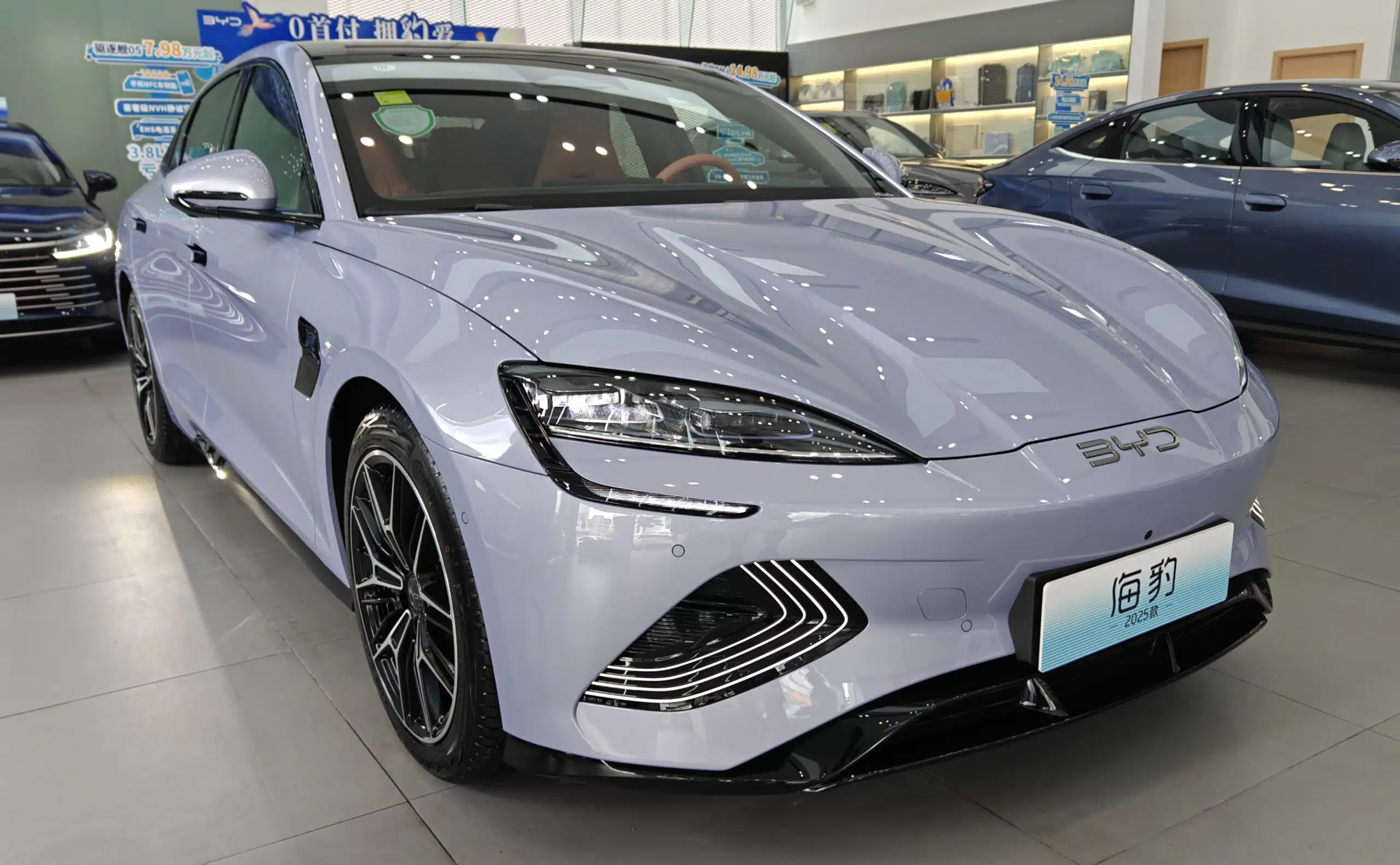
The BYD Seal, a dynamic sports-oriented sedan designed to appeal to younger, performance-conscious buyers, has similarly faced headwinds. While the Seal launched to considerable fanfare and strong initial sales, sustaining that momentum has proven difficult as newer competitors have emerged and consumer novelty has worn off.
Root Causes of the Downturn
Industry analysts point to several interconnected factors behind BYD's prolonged sales slump:
1. Market Saturation in China: China remains BYD's largest single market, accounting for the majority of its global sales. However, China's EV market has matured rapidly, and early adopters have already made their purchases. The remaining pool of potential buyers is more price-sensitive and has more choices than ever before.
2. Intensifying Domestic Competition: Chinese EV brands have multiplied in recent years. Li Auto, NIO, Xpeng, Huawei-backed Aito, and SAIC's IM Motors are among the many brands aggressively vying for market share. Many offer cutting-edge technology, premium features, and competitive pricing that challenge BYD's value proposition.
3. International Headwinds: Overseas expansion has been a key pillar of BYD's growth strategy. However, the brand faces significant barriers in several key markets. The European Union's tariffs on Chinese-made EVs, introduced in 2024, have substantially increased the cost of BYD vehicles in Europe, making them less competitive. Similarly, the United States market remains effectively closed to Chinese EVs due to high tariffs.
4. Consumer Preference Shifts: In several markets, there are signs that consumers are increasingly interested in plug-in hybrid electric vehicles (PHEVs) rather than pure battery electric vehicles (BEVs). While BYD does produce PHEVs under its DM (Dual Mode) technology, the overall shift in consumer sentiment has affected BEV-focused parts of its portfolio.
5. Pricing Pressure and Margin Compression: The fierce price war in China's EV market has forced many manufacturers, including BYD, to reduce prices to remain competitive. While this supports volume in theory, it compresses profit margins and can create a perception of reduced brand value.
BYD's Response Strategy
BYD has not been passive in the face of these challenges. The company has launched new models, introduced updated versions of existing vehicles, and doubled down on its technological capabilities — particularly its proprietary Blade Battery technology and its increasingly sophisticated in-car intelligence systems. BYD has also been expanding its premium sub-brand, Yangwang, which targets ultra-high-end buyers, as well as its personal luxury brand Fang Cheng Bao.
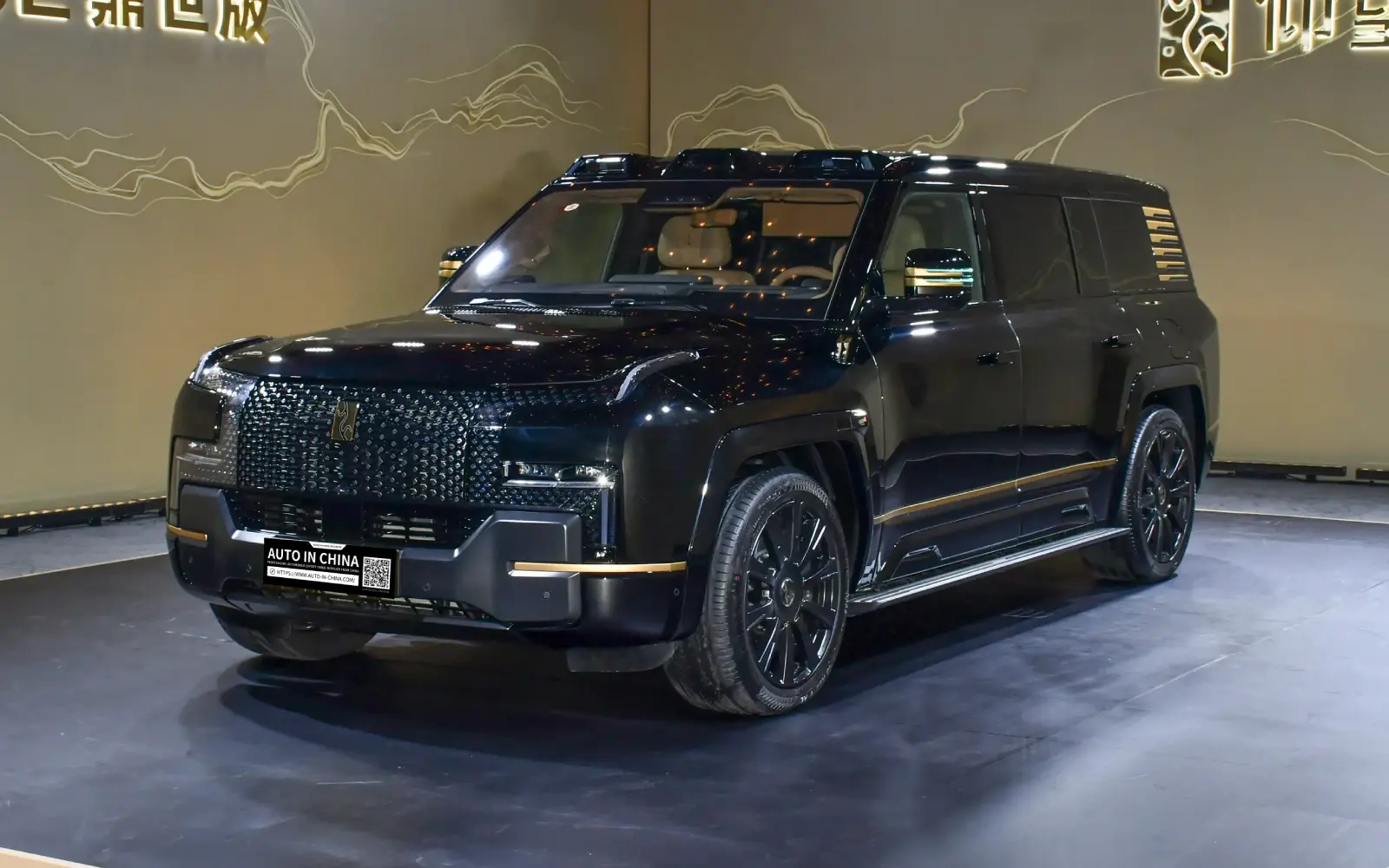
The BYD Yangwang U8, a luxury off-road SUV, represents one of BYD's bids to move upmarket and diversify its revenue base beyond the mass-market segments where competition is most intense.
Global Implications
BYD's sales struggles carry broader implications for the global automotive industry. As recently as 2023 and 2024, BYD was widely celebrated as the defining success story of the EV revolution — a Chinese brand that had not only dominated its home market but had become a genuinely global force. Its difficulties highlight the cyclical and competitive nature of the automotive industry, even for companies that appear to be structurally advantaged.
For traditional automakers in Europe, the United States, Japan, and South Korea, BYD's slowdown may offer a brief window of relief. However, analysts caution against reading too much into a single period of weakness. BYD's manufacturing scale, vertical integration — from raw materials to finished vehicles — and continued investment in research and development remain formidable competitive advantages.
Outlook
The critical question for the automotive industry is whether BYD's current downturn represents a temporary correction after years of hypergrowth, or whether it signals a more fundamental challenge to the brand's business model. Most analysts lean toward the former interpretation, noting that BYD's fundamentals remain strong even if its near-term sales trajectory has weakened.
What is clear is that BYD's journey through 2026 will be closely watched by every major player in the global automotive industry. The outcome will have significant implications not only for BYD itself but for the future shape of the global electric vehicle market.
— Reported by AutoTickers Automotive Desk