Introduction: BYD's Flagship Sedan Grows Up
As an automotive journalist who has driven everything from budget hatchbacks to six-figure luxury saloons, I can say with confidence that the 2026 BYD Seal is one of the most compelling electric vehicles on the market today. BYD — Build Your Dreams — has been quietly conquering global EV charts, and the Seal is perhaps their most polished product yet. It is the car that proves, beyond any reasonable doubt, that Chinese automotive engineering has fully matured.
Design: Sleek, Confident, and Contemporary
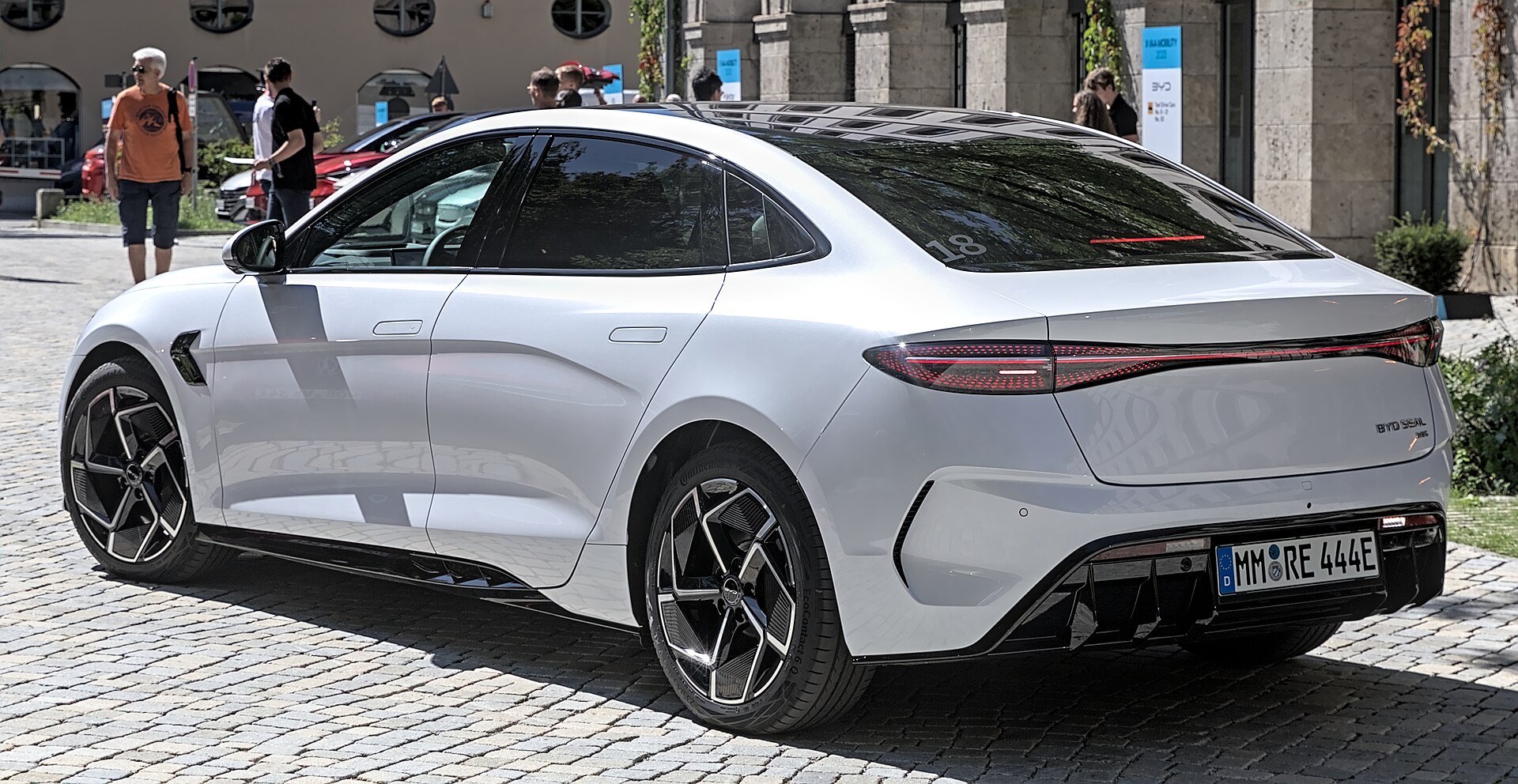
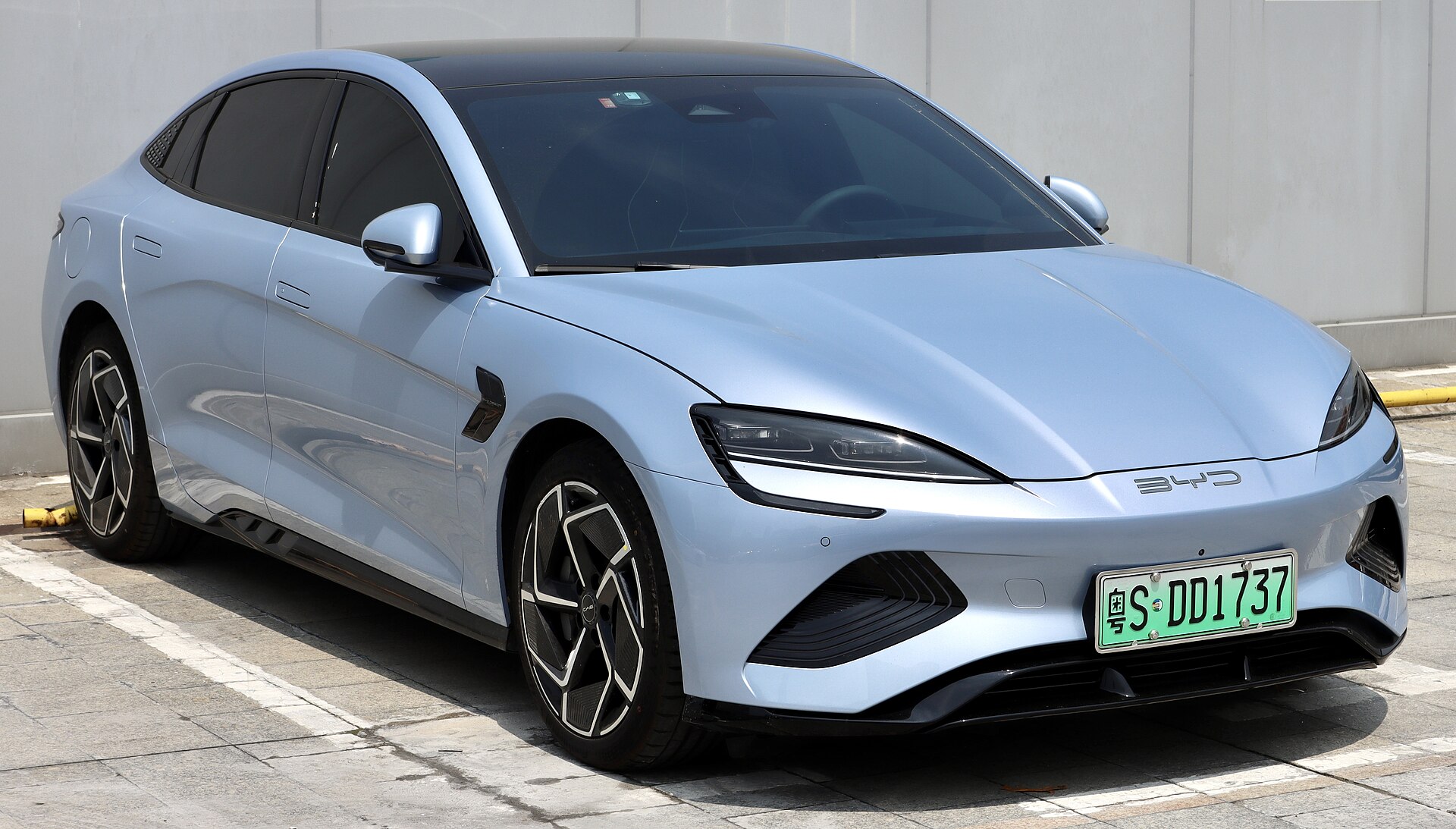
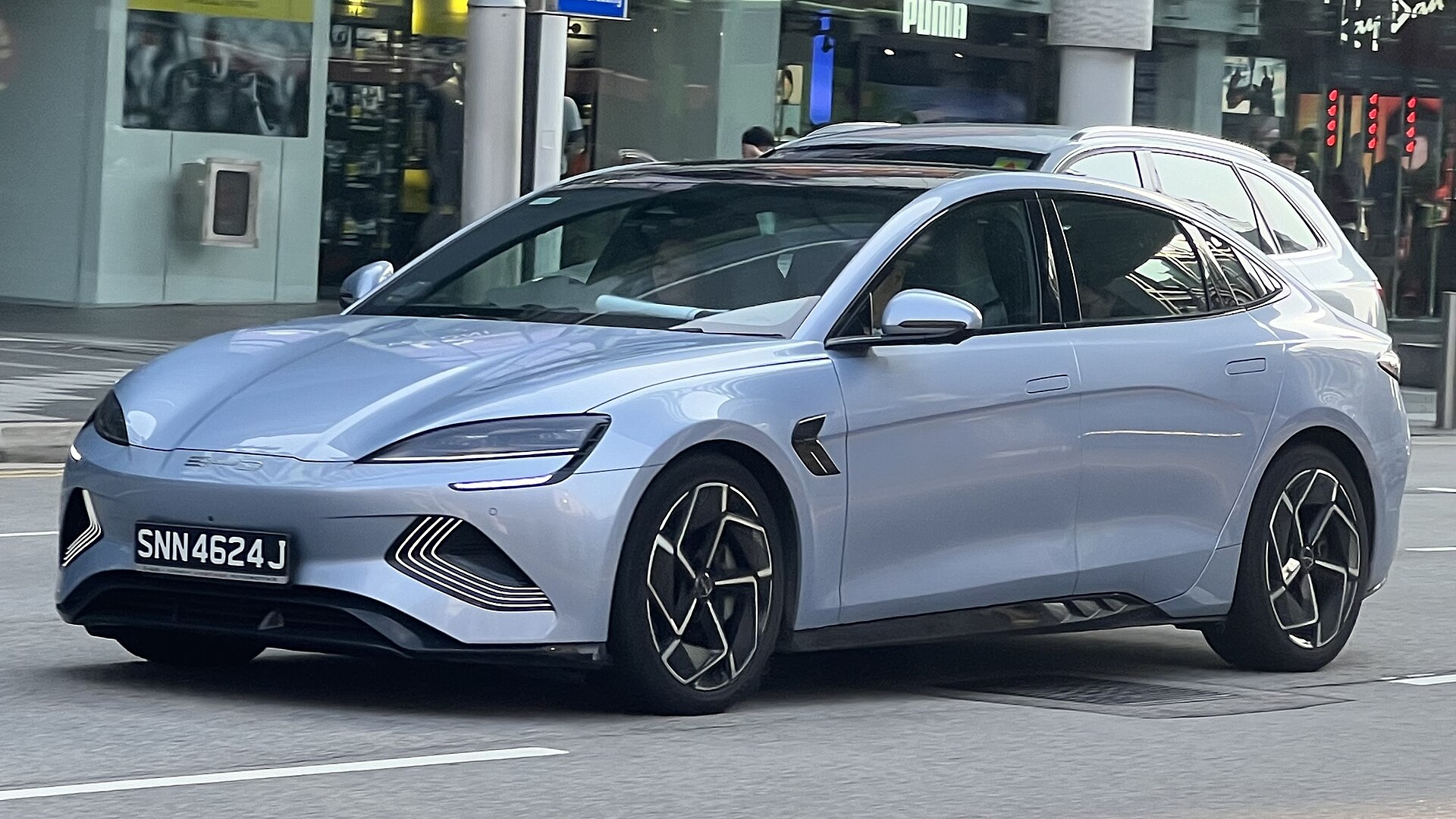
The 2026 BYD Seal carries forward its award-winning 'Ocean Aesthetics' design language, but with notable refinements for the new model year. The front fascia features a wider, more assertive grille surround with integrated LED daytime running lights that sweep elegantly into the bonnet line. The profile is unmistakably sporty — a fastback-style roofline flows into a short, muscular tail with a subtle integrated spoiler.
Measuring 4,800 mm in length, 1,875 mm in width, and 1,460 mm in height with a 2,920 mm wheelbase, the Seal sits in the D-segment and carries its dimensions with genuine confidence. The flush door handles, aerodynamic underbody panels, and 19-inch or optional 20-inch alloy wheels all contribute to a drag coefficient of just 0.219 Cd — an impressive figure that directly benefits range.
Interior: A Cabin That Rivals Luxury Brands
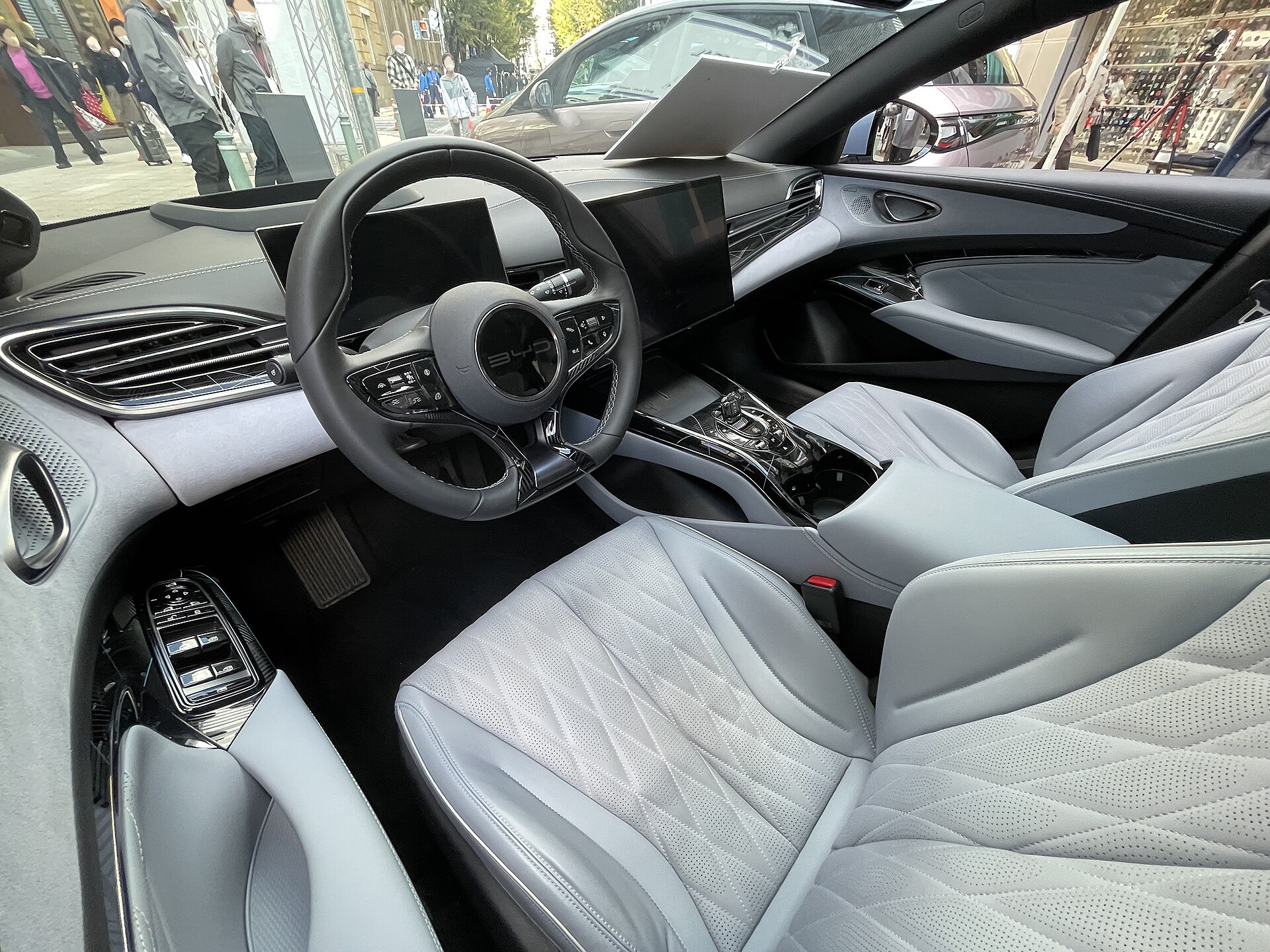
Step inside the 2026 BYD Seal and you are immediately greeted by a genuinely premium environment. BYD has paid extraordinary attention to material quality in this update. Soft-touch surfaces cover the dashboard and upper door cards, while Nappa leather upholstery is available on higher trim levels. The panoramic glass roof floods the cabin with natural light, creating an airy, spacious atmosphere that feels larger than the external dimensions suggest.
The centrepiece of the interior is a 15.6-inch rotating infotainment touchscreen powered by BYD's latest DiLink 5.0 system. The screen rotates between landscape and portrait modes with a satisfying mechanical precision, and the interface is fast, intuitive, and supports wireless Apple CarPlay and Android Auto. A 10.25-inch fully digital instrument cluster sits ahead of the driver, displaying all critical vehicle data with crisp clarity.
Rear passengers are treated equally well. Legroom is generous thanks to the long wheelbase, and both rear seats feature heating as standard on upper trims. The boot offers 400 litres of usable space, supplemented by a 50-litre front trunk (frunk) in the dual-motor variant — a practical consideration that many rivals overlook.
Powertrain and Performance: Electrifying in Every Sense
The 2026 BYD Seal is offered in three powertrain configurations, catering to a wide range of driver preferences and budgets.
- Standard Range RWD: Single rear motor producing 201 hp (150 kW), 0–100 km/h in 7.5 seconds, CLTC range of approximately 550 km.
- Long Range RWD: Single rear motor producing 313 hp (230 kW), 0–100 km/h in 5.9 seconds, CLTC range of approximately 700 km.
- Performance AWD: Dual motors producing a combined 530 hp (390 kW), 0–100 km/h in just 3.8 seconds, CLTC range of approximately 580 km.
During my time behind the wheel of the Performance AWD variant, the instant torque delivery was nothing short of sensational. Accelerating from standstill at full throttle pins you firmly into the seat with a ferocity that reminds you of proper sports cars — yet the ride quality never becomes punishing. BYD's e-Platform 3.0 architecture, combined with the Blade Battery technology, places the battery pack low in the floor, resulting in a centre of gravity that rivals purpose-built sports cars.
The adaptive suspension system, standard on all variants, manages the balance between comfort and handling with commendable competence. Sport mode tightens things up considerably for more spirited driving, while Comfort mode delivers a smooth, refined ride suitable for daily urban commuting.
BYD Blade Battery: Safety and Efficiency Redefined
The 2026 BYD Seal continues to use BYD's revolutionary Blade Battery technology, now in its latest iteration. The lithium iron phosphate (LFP) chemistry offers superior thermal stability compared to conventional NMC batteries, significantly reducing the risk of thermal runaway and fire — a critical safety advantage. The Standard Range variant uses an 82.5 kWh pack, while the Long Range and Performance AWD variants utilise a 100 kWh pack.
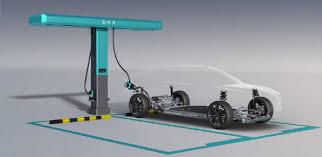
DC fast charging capability has been improved for 2026, with the Performance AWD supporting up to 150 kW DC charging, allowing the battery to charge from 10% to 80% in approximately 30 minutes under ideal conditions. The Standard and Long Range RWD variants support up to 110 kW DC charging. All variants support 11 kW AC charging for home or public wallbox use.
Technology and Driver Assistance: Comprehensive and Capable
BYD has significantly bolstered the Seal's technology suite for 2026. The DiPilot intelligent driving assistance system now incorporates more than 30 active safety and driver assistance functions as standard, including:
- Adaptive Cruise Control with Stop & Go
- Lane Centring Assist
- Automatic Emergency Braking with pedestrian and cyclist detection
- Blind Spot Monitoring
- Rear Cross Traffic Alert
- 360-degree surround-view camera system
- Automated Parking Assist
The over-the-air (OTA) update capability ensures that the vehicle's software and features can be updated remotely, keeping the Seal current throughout its ownership lifecycle — a feature that was once exclusive to Tesla but is now expected of any serious EV contender.
Driving Dynamics: Surprisingly Engaging
One criticism occasionally levelled at Chinese EVs of previous generations was a certain numbness in the driving experience — functional, but lacking soul. The 2026 BYD Seal largely dispels this notion. The steering, electrically assisted and well-weighted, provides reasonable feedback for an EV. The body control through corners is disciplined, and the Performance AWD variant in particular demonstrates a willingness to engage the driver that goes beyond mere point-to-point transportation.
The regenerative braking system is one of the best calibrated in the segment. Three levels of regeneration are available, including a one-pedal driving mode that allows smooth, confident deceleration in most driving scenarios without requiring the brake pedal. The transition between regenerative and friction braking is seamless — a detail that many manufacturers still struggle with.
Verdict: An Exceptional Value Proposition
The 2026 BYD Seal is, in my professional assessment, a genuinely outstanding electric sedan. It combines premium interior quality, impressive real-world range, exhilarating performance in higher trims, and a comprehensive technology suite — all wrapped in elegant, contemporary styling. At its expected price positioning in international markets (typically between $35,000 and $50,000 USD depending on variant and market), it represents extraordinary value when benchmarked against rivals from Tesla, BMW, and Mercedes-Benz.
The areas where the Seal could improve are relatively minor: the infotainment system, while capable, occasionally requires a learning curve for new users, and DC fast charging speeds, while improved, still trail the best-in-class figures offered by some competitors. However, these are small criticisms in the context of a vehicle that excels in so many other areas.
If you are in the market for an electric sedan in 2026 and you have not yet driven or seriously considered the BYD Seal, you owe it to yourself to do so. This is not just a capable Chinese EV — it is a serious global contender that stands on equal footing with the finest electric sedans the world has to offer.
2026 BYD Seal — Ratings Summary (Out of 10)
- Design: 8.5/10
- Interior Quality: 8.5/10
- Performance: 9.0/10
- Range & Efficiency: 8.5/10
- Technology: 8.5/10
- Value for Money: 9.5/10
- Overall Score: 8.8/10