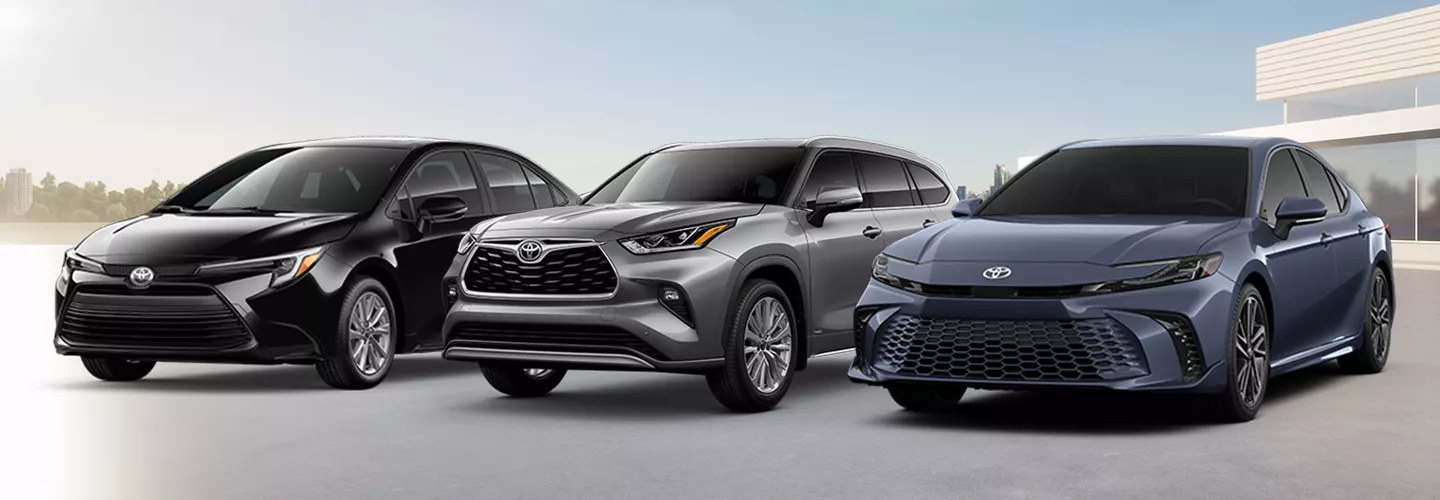
Introduction: A Voice That Refuses to Bow to Consensus
In an era when nearly every global automaker is racing to electrify its lineup, one of the most powerful figures in the automotive world continues to ask a fundamentally different question: Is a single-technology approach truly the best path to a cleaner planet? Toyota Chairman Akio Toyoda — grandson of company founder Kiichiro Toyoda and former CEO until 2023 — has become the automotive industry's most prominent and outspoken critic of the so-called "EV-only" doctrine.
His stance is not rooted in denial of climate change, nor in resistance to innovation. Rather, it stems from a deeply held belief in what he calls "technology neutrality" — the idea that the path to carbon reduction must be diverse, flexible, and realistic about the varying infrastructure realities of different regions around the world.
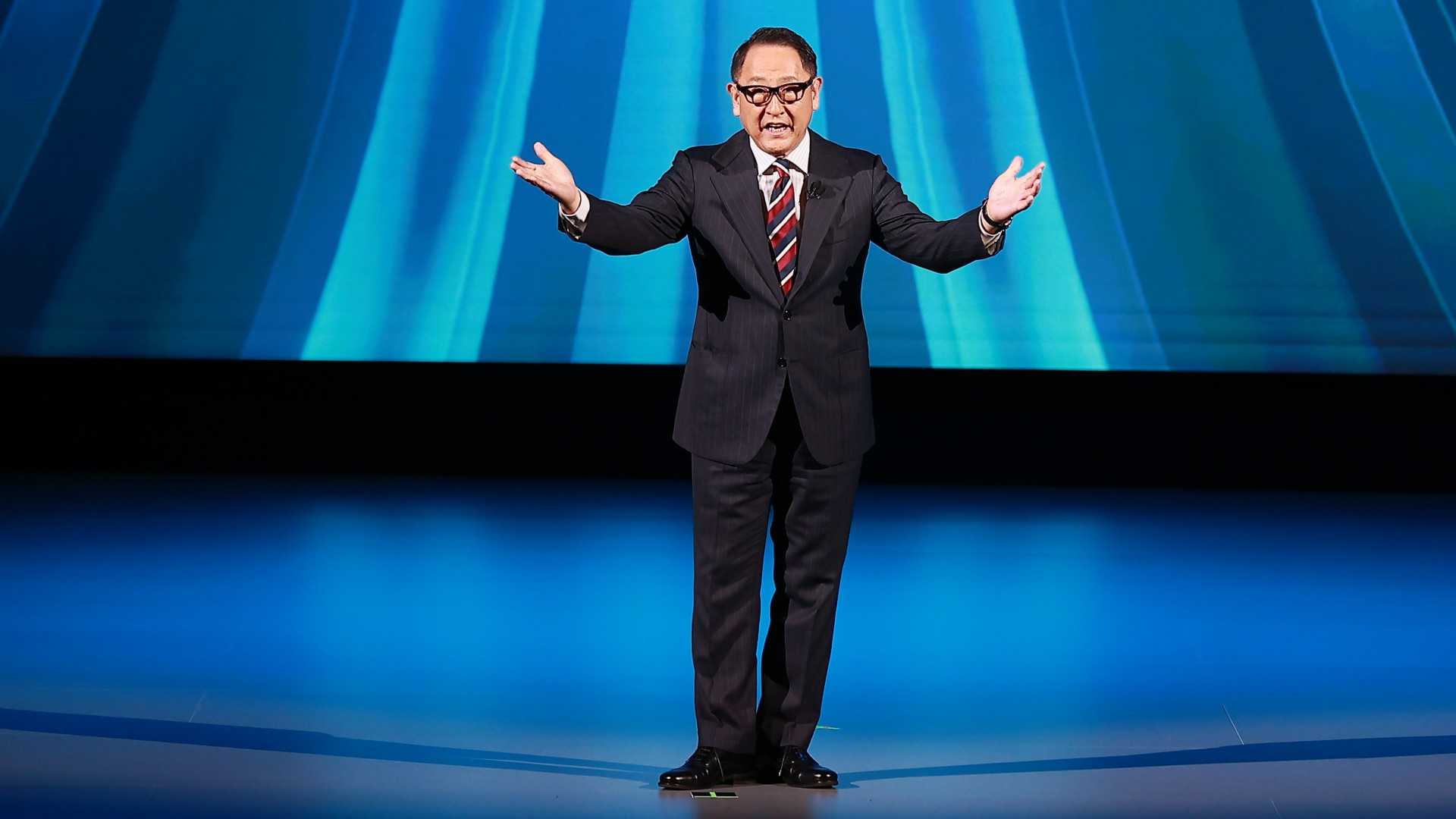
Toyoda's Core Argument: One Size Does Not Fit All
Akio Toyoda has repeatedly argued that mandating electric vehicles as the only acceptable form of green transportation ignores the complex realities of global energy grids, charging infrastructure deficits, raw material scarcity, and economic disparities. Speaking at multiple industry forums, including the Japan Automobile Manufacturers Association (JAMA) press conferences and global automotive summits, Toyoda has stated bluntly: "The enemy is carbon, not the internal combustion engine."
This distinction is crucial to his philosophy. For Toyoda, the goal is net-zero carbon emissions — and reaching that goal by any efficient means necessary, whether that is through hydrogen fuel cells, hybrid systems, plug-in hybrids (PHEVs), or battery electric vehicles (BEVs). He argues that prematurely phasing out alternatives could actually increase overall carbon emissions in regions where electricity generation still relies heavily on coal and fossil fuels.
The "1:6:90 Rule" Explained
One of the most compelling and frequently cited arguments that Toyoda and Toyota's technical teams have put forward is the so-called "1:6:90 rule" — a framework designed to illustrate the real-world environmental impact of battery material allocation.
The principle is straightforward: the battery materials required to manufacture one full battery electric vehicle (BEV) could alternatively be used to produce:
- 6 plug-in hybrid electric vehicles (PHEVs), or
- 90 conventional hybrid electric vehicles (HEVs)
Toyota's analysis suggests that spreading the same quantity of lithium, cobalt, nickel, and other critical battery minerals across multiple lower-emission vehicles — rather than concentrating them in a single BEV — could achieve a greater aggregate reduction in CO₂ emissions across a larger fleet. This is particularly impactful when considering the millions of combustion-engine vehicles still operating in developing nations, where even a shift to hybrid technology would represent a dramatic environmental improvement.
The logic is rooted in lifecycle analysis: a BEV charged predominantly from coal-fired electricity in markets like parts of Southeast Asia, India, or even certain parts of the United States and Europe, can carry a larger carbon footprint over its lifetime compared to a well-optimized hybrid. By distributing battery resources more broadly, Toyota argues, the industry can decarbonize far more vehicles simultaneously.
Toyota's Broader Electrification Portfolio
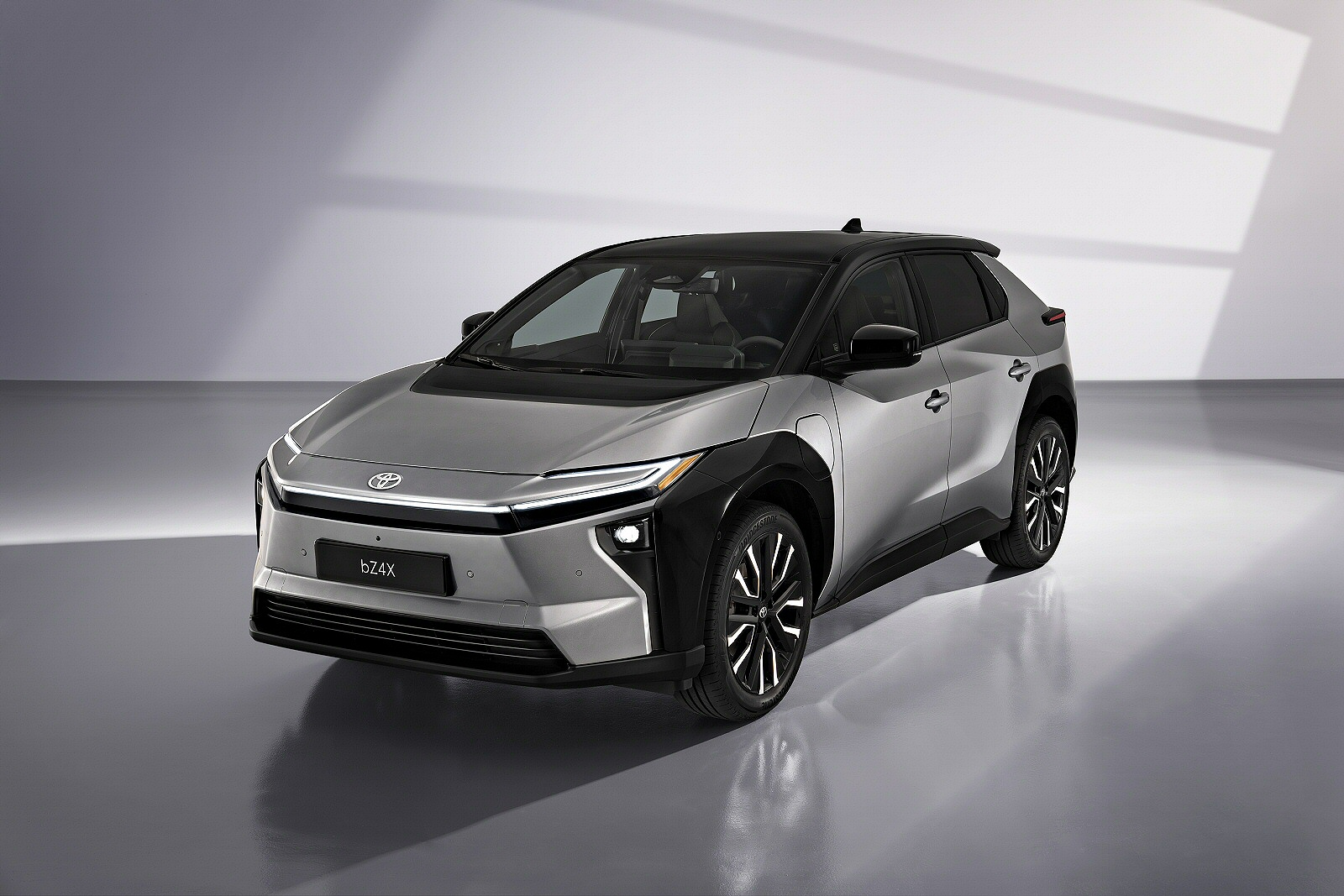
It is worth noting that Toyota is by no means absent from the BEV market. The company has launched the Toyota bZ4X, its flagship battery electric SUV developed in partnership with Subaru (sold as the Subaru Solterra), and has committed to significant investment in solid-state battery technology — a next-generation approach that promises higher energy density, faster charging, and improved safety over conventional lithium-ion batteries.
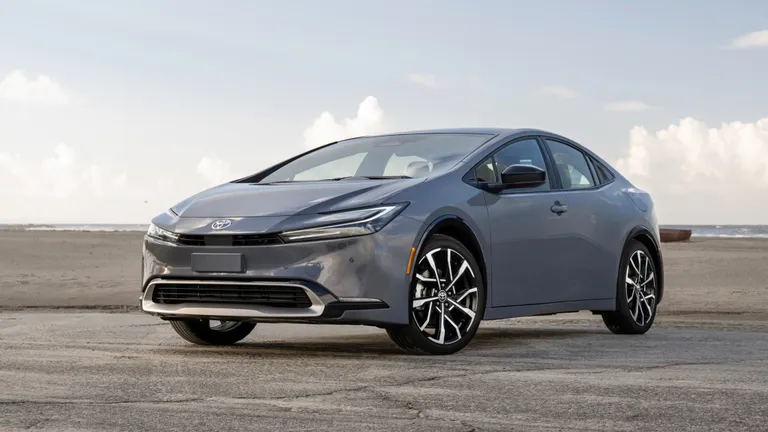
Toyota has also been a global pioneer in hybrid technology since the launch of the first-generation Toyota Prius in 1997 — the world's first mass-produced hybrid vehicle. Decades of refinement have made Toyota's hybrid systems among the most efficient and reliable in the industry, and the company continues to expand the Prius family alongside hybrid variants of the Camry, Corolla, RAV4, Highlander, and numerous other models.
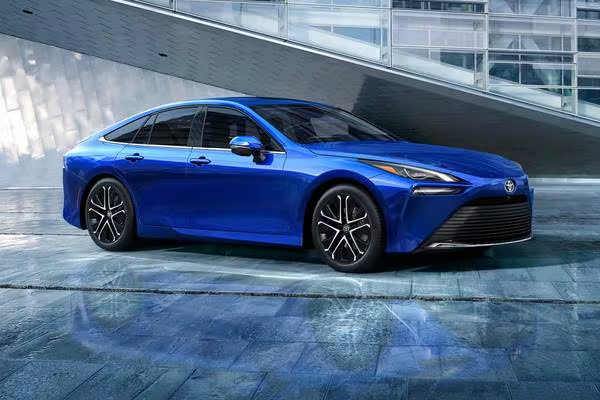
Furthermore, Toyota is arguably the global leader in hydrogen fuel cell technology, having developed and commercialized the Toyota Mirai — a hydrogen fuel cell electric vehicle (FCEV) that emits only water vapor from its tailpipe. The company has invested heavily in hydrogen infrastructure development across Japan, Europe, and the United States, viewing hydrogen as a critical long-term solution particularly for heavy-duty transport, industrial applications, and markets where battery charging infrastructure is impractical.
Other Industry Leaders Who Share Toyoda's View
Akio Toyoda is far from alone in his multi-technology advocacy. Several other prominent figures from across the automotive and energy sectors have voiced similar positions, adding credibility and nuance to what is increasingly being recognized as a legitimate counter-narrative to the BEV-only consensus.
Carlos Tavares — Former CEO of Stellantis
Carlos Tavares, the former chief executive of Stellantis — the parent group of brands including Jeep, Ram, Dodge, Chrysler, Peugeot, Citroën, Opel, Fiat, and Maserati — was another powerful voice advocating for technological diversity in the path toward decarbonization. Tavares frequently warned that the pace of EV adoption mandated by regulators in Europe and North America was "imposed by regulation, not driven by the market" and risked creating economic disruption, job losses, and consumer affordability crises without necessarily delivering faster carbon reductions. He was a strong proponent of e-fuels, PHEVs, and a more gradual, market-responsive transition strategy. Tavares stepped down from Stellantis in December 2024 amid strategic disagreements with the company's board.
Herbert Diess — Former CEO of Volkswagen Group
Interestingly, Herbert Diess, former CEO of the Volkswagen Group, took a more aggressive pro-EV stance during his tenure, accelerating VW's electrification strategy. However, even Diess acknowledged in various interviews that the speed of transition must be tempered by the realities of charging infrastructure development and energy grid capacity. His departure from Volkswagen in 2022 partly reflected internal tensions over the pace of change — indicating that even within the most committed EV-focused organizations, questions about the "how fast" and "how broadly" remain deeply contested.
Jim Farley — CEO of Ford Motor Company
Jim Farley, CEO of Ford, has navigated a nuanced position. While Ford has committed significant investment to EVs through its Ford Model e division and flagship models like the Ford Mustang Mach-E and Ford F-150 Lightning, Farley has been candid about the financial losses in Ford's EV division — which lost an estimated $5.1 billion in 2024 — and has emphasized the continued critical importance of Ford's hybrid lineup, particularly the Ford Escape Hybrid and hybrid variants of the F-150. Farley has publicly stated that hybrids will remain central to Ford's portfolio for the foreseeable future, echoing the multi-technology logic that Toyoda espouses.

Luca de Meo — CEO of Renault Group
Luca de Meo, CEO of the Renault Group, has also been a moderating voice in the European EV debate. While Renault has been an EV pioneer with the Renault Zoe and the newer Renault 5 E-Tech Electric, de Meo has openly argued that the European Union's rigid 2035 internal combustion engine ban should be revisited to allow a role for e-fuels and hybrid technologies. He has lobbied alongside other European automakers for greater policy flexibility, arguing that a technology-neutral regulatory framework would better serve both the environment and the economic competitiveness of the European automotive industry.
Toyota's Own Scientific and Technical Voices
Within Toyota itself, Chief Scientist Gill Pratt — a highly respected MIT-trained robotics and AI expert who leads the Toyota Research Institute — has published detailed analyses supporting the multi-pathway argument. Pratt introduced the concept of "charge-sustaining diversity", arguing that in a world of limited battery materials and uneven charging infrastructure, maintaining a portfolio of hybrid and hydrogen vehicles alongside BEVs is not a retreat from ambition but rather a scientifically sound strategy to maximize real-world CO₂ reduction.
The Case for the Critics: Why Many Disagree
Not everyone is persuaded. A substantial cohort of environmentalists, EV advocates, and policy researchers argue that Toyoda's multi-technology stance, while intellectually coherent, has the practical effect of slowing the transition to fully electric mobility — the technology widely regarded as the most efficient long-term pathway to zero tailpipe emissions.
Organizations such as Transport & Environment (T&E), one of Europe's leading clean transport advocacy groups, have published research challenging the lifecycle emissions arguments made by Toyota and similar stakeholders. T&E's analyses consistently show that even in countries with relatively carbon-intensive electricity grids, BEVs tend to produce lower lifetime emissions than PHEVs — particularly when actual real-world PHEV driving behavior is accounted for, since many PHEV owners rarely plug in their vehicles, effectively running them as conventional hybrids with added battery weight.
Critics also point to the automotive industry's historical lobbying record, arguing that resistance to EV mandates from established manufacturers mirrors earlier resistance to catalytic converters, fuel efficiency standards, and airbag requirements — all of which were ultimately adopted successfully and proved beneficial. From this perspective, Toyoda's argument is seen as protecting Toyota's significant existing investment in hybrid technology rather than pursuing the fastest possible route to carbon neutrality.
Furthermore, analysts at BloombergNEF and the International Energy Agency (IEA) project that as renewable energy penetration of electricity grids continues to grow globally, the carbon advantage of BEVs over hybrids will widen substantially over the coming decade, potentially undermining the long-term logic of the hybrid-heavy portfolio strategy.
The Infrastructure Reality: Where Toyoda's Argument Has Strongest Purchase
Where Toyoda's argument carries perhaps its most undeniable weight is in the context of emerging markets and developing economies. Across large parts of Africa, Southeast Asia, South Asia, Latin America, and the Middle East — including the South Caucasus region where AutoTickers operates — EV charging infrastructure remains severely underdeveloped. For consumers in these markets, a BEV is not merely an expensive option; it is frequently a practically impossible option given the absence of reliable charging networks and the instability of electricity grids.
In this context, hybrids and PHEVs represent a genuinely meaningful step forward. The Toyota RAV4 Hybrid, for example, offers substantial fuel savings and emissions reductions over a conventional combustion-engine RAV4, with zero dependence on charging infrastructure.
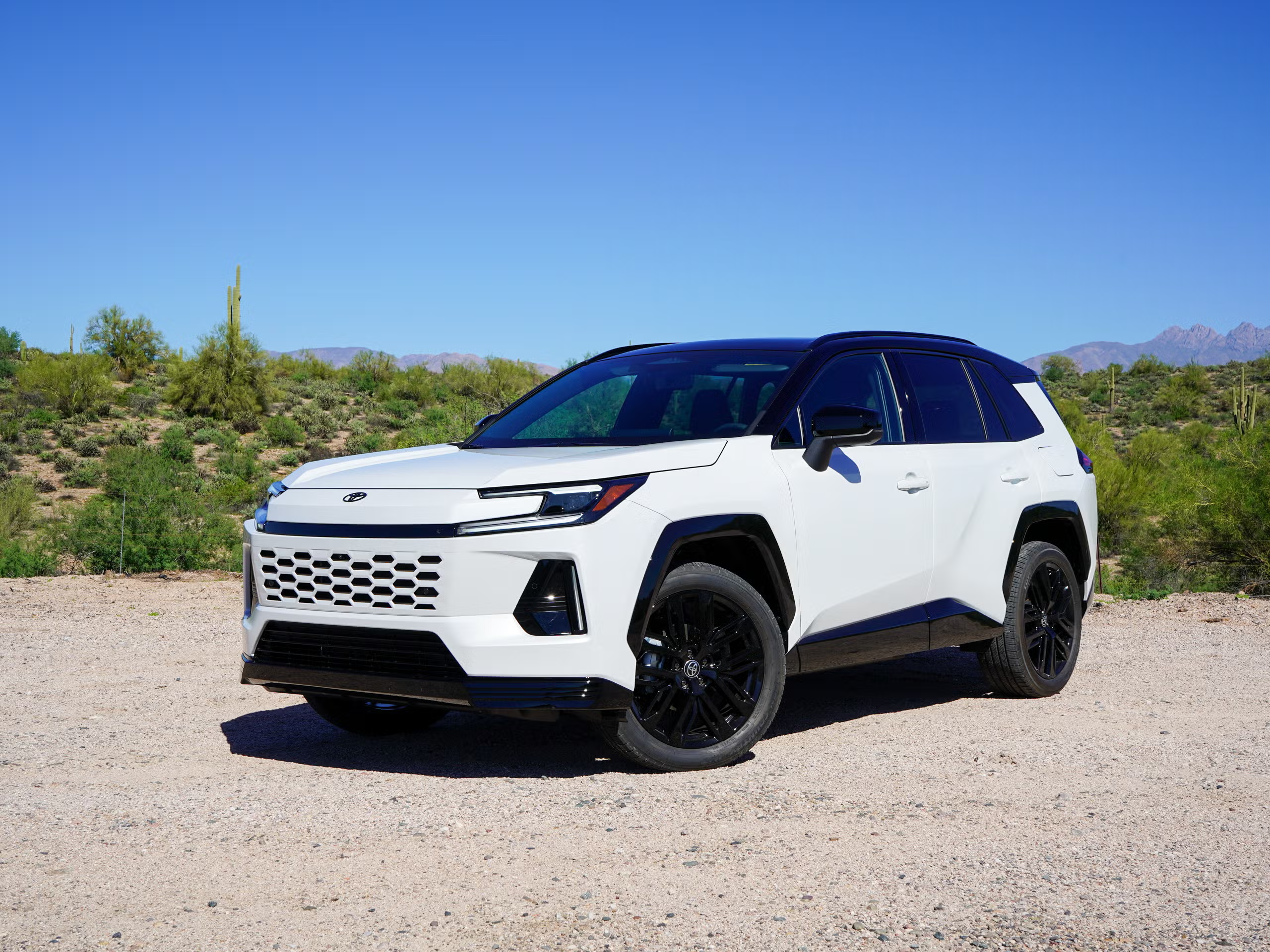
Azerbaijan and the broader Caucasus region present a relevant case study. While urban centers like Baku are beginning to develop EV infrastructure, the broader national charging network remains limited. In this environment, Toyota's hybrid and PHEV offerings present a pragmatic and immediately deployable path toward reduced automotive emissions — a position that aligns closely with Toyoda's global argument.
The Political and Regulatory Dimension
The debate is not occurring in a vacuum. In Europe, the European Union's landmark decision to ban the sale of new internal combustion engine vehicles after 2035 — a ruling that has faced significant pushback and was subsequently modified to allow e-fuel vehicles — reflects the broader political tension between climate urgency and industrial practicality.
In the United States, shifting political winds under different administrations have created significant policy uncertainty around EV mandates, tax credits, and emissions standards. The Biden administration's aggressive EV push has been partially unwound or placed under review under subsequent policy shifts, illustrating the volatility that Toyoda and others have warned about when climate strategy becomes overly dependent on a single technology pathway.
Japan's government, meanwhile, has broadly supported Toyota's multi-pathway approach, investing significantly in hydrogen infrastructure and maintaining a more technology-neutral stance in its automotive decarbonization policy — a position that reflects both the influence of its largest domestic automaker and a genuine national strategic bet on hydrogen as a long-term energy vector.
Looking Ahead: Can the Industry Find Common Ground?
The debate between Toyoda's pluralist vision and the BEV-focused consensus is unlikely to be resolved quickly. What seems increasingly clear, however, is that the global automotive industry's transition to cleaner mobility will be neither uniform nor linear. Different regions will decarbonize at different speeds and through different technological pathways, shaped by their unique infrastructure, economic conditions, energy mix, and regulatory environments.
In this messy, complex reality, the arguments that Toyoda, Tavares, de Meo, and others have been making — however inconvenient they may be to clean-cut green narratives — contain important practical insights. The goal, ultimately, is not EV adoption for its own sake, but the fastest possible reduction in global carbon emissions. Whether that is best achieved through a BEV-only mandate or a more diversified technological portfolio remains one of the most consequential debates in contemporary industrial policy.
What is beyond dispute is that voices like Akio Toyoda's, backed by decades of engineering credibility and one of the world's largest automotive companies, will continue to shape this conversation — and deserve to be engaged with seriously rather than dismissed.
AutoTickers Perspective
From our vantage point covering the Azerbaijani and broader regional automotive market, the multi-technology argument resonates strongly. As our market continues its gradual but meaningful shift toward greener mobility, the availability of practical, infrastructure-independent options like Toyota's hybrid lineup remains critically important for everyday consumers. We will continue to monitor this global debate and its implications for our region closely.
Disclaimer: This article is for informational purposes only and is based on publicly available reports and statements. AutoTickers does not represent or endorse any particular manufacturer or technology pathway.